In these truly challenging times, one of the most significant contributions we can make to the lives of children in modern society is to instill in them the values of kindness, love, compassion, and patience—qualities His Holiness the Dalai Lama consistently advocates. These virtues hold immense potential to benefit not only the children themselves but also their families and the broader community. They form the foundation of a harmonious society and should be regarded as fundamental teachings.
These values can and should be imparted both at home and in schools. However, the role of parents is particularly crucial in emphasizing their importance. Too often, the focus at home is placed solely on academic achievements, high grades, and the pursuit of good-paying careers. While these aspirations undoubtedly contribute to physical comfort and material success, they alone cannot guarantee mental well-being or true happiness. To achieve a balanced and fulfilling life, we must nurture not only physical wealth and comfort, but also inner peace and emotional health. Developing qualities such as loving-kindness, empathy, tolerance, and patience is essential for the development of joy, contentment, and even resilience.
Teaching these inner virtues to children from a very young age is especially impactful. Early emphasis on such values—whether at home, in school, or within the community—lays a strong foundation for their character and helps them grow into compassionate, thoughtful individuals. It is through this nurturing that they can find joy within themselves while spreading positivity and harmony to others.
Another crucial value to teach children is the importance of respecting others—especially when opinions and perspectives differ. In moments of disagreement, children should be guided on how to engage in respectful dialogue and constructive communication. They must learn that even when they do not share someone else’s views, they can approach discussions without hostility or negative feelings. By respecting others’ ideas, values, and beliefs, they foster an environment of mutual understanding and tolerance.
This respect should extend to everyday interactions, whether during conversations, debates, or moments of conflict. It is vital to teach children how to maintain respect and composure in their words and actions, even when faced with opposing opinions. Through these practices, they can build meaningful connections and contribute to a more respectful and empathetic society.
Equally important is the virtue of forgiveness—a value that brings peace and healing to both individuals and relationships. Every human being, save for those who are fully enlightened, is bound to make mistakes. It is a fundamental part of life. When someone genuinely regrets their actions and seeks forgiveness, it is vital to extend that forgiveness with an open heart. Teaching children to forgive others helps them release negative emotions and build stronger connections, while also teaching them the value of accountability and redemption.
Moreover, forgiveness must also be directed inward. Just as we strive to treat others with kindness, compassion, and patience, it is essential to treat ourselves the same way. We must learn to forgive ourselves for our own mistakes and shortcomings, embracing them as opportunities for growth rather than reasons for self-condemnation. This balance of self-compassion and outward compassion allows individuals to live with greater peace and harmony.
In conclusion, the values of kindness, compassion, patience, respect, and forgiveness are crucial for building a better future. By teaching children to embody these virtues and to extend them both outwardly to others and inwardly to themselves, we empower them to lead lives filled with joy, resilience, and meaning. In doing so, we nurture a generation capable of creating a more compassionate and understanding world.
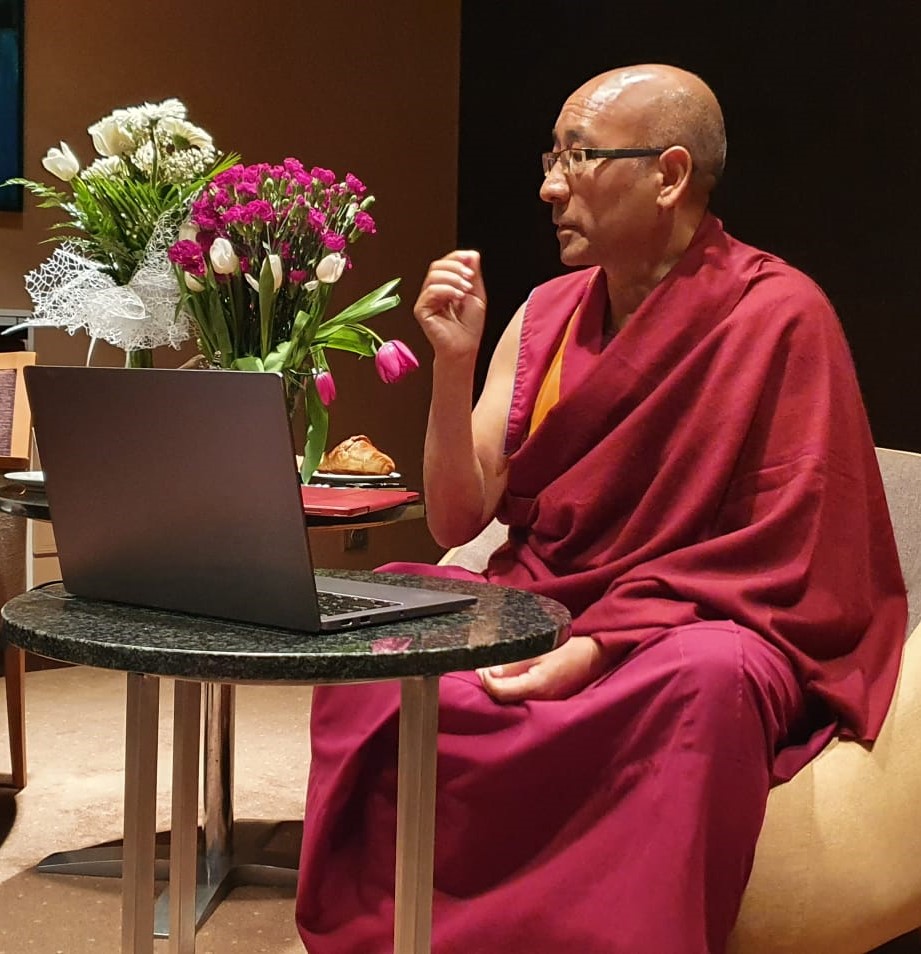
Geshe Thubten Sherab
On behalf of Romanian and International Community, we thank our beloved Teacher, Geshe Thubten Sherab, for this precious advice.
 The Garden of Maitreya