Tag Archives: buddhism

The Plaque That Waited Beneath the Water

Across the world, in caves and on mountain peaks, in rivers and in the depths of the ocean, small black stones are being laid to rest. Each one carries the same mantra, micro-engraved into diamond-dark shungite:

Om Ah Hūṃ Vajra Guru Padma Siddhi Hūṃ

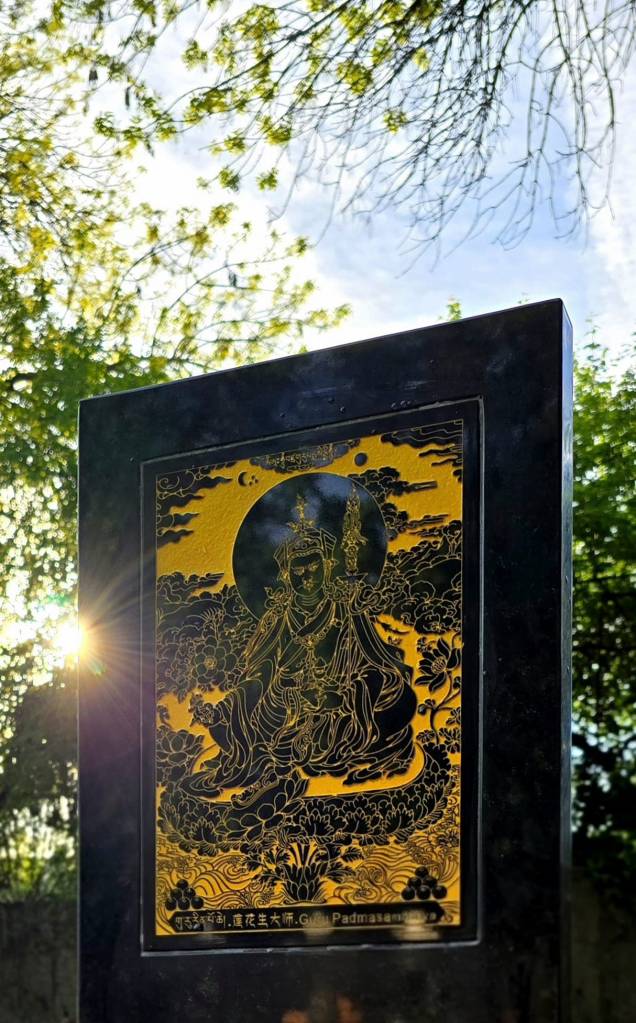
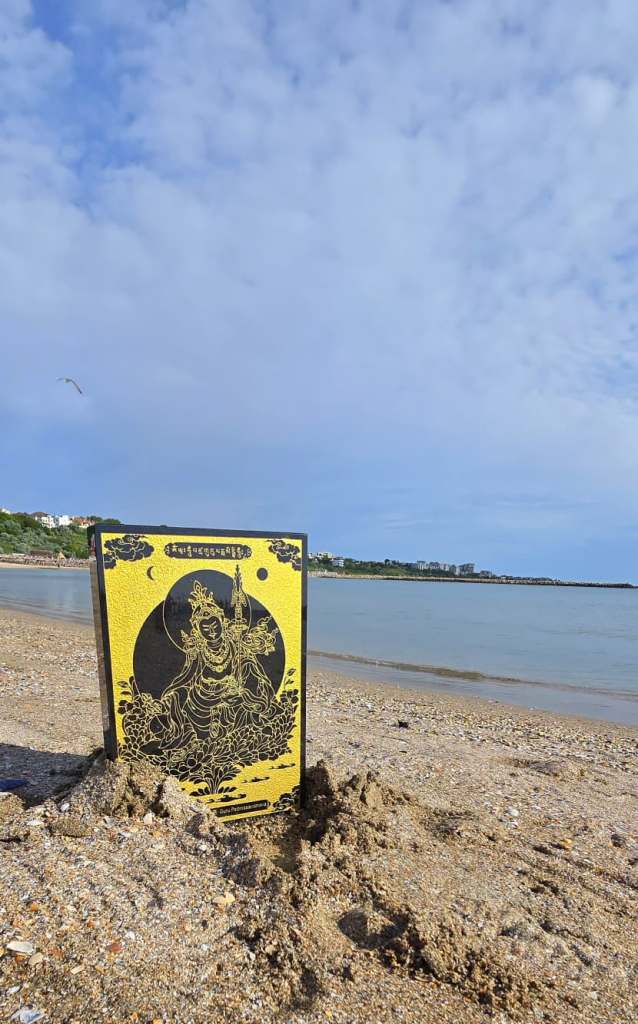
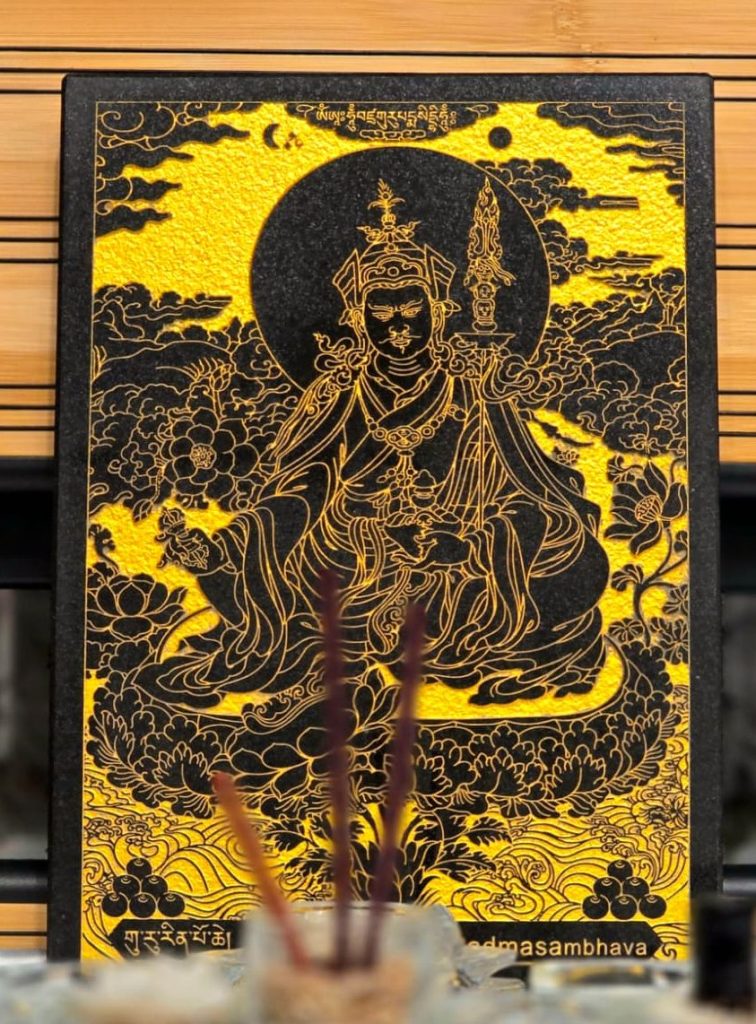
Each one holds within it iron beads, relics, fragments of scripture; each one is an image of Guru Padmasambhava, Guru Rinpoche, the Second Buddha of Vajrayāna, who tamed the wild places of Tibet not by conquering them but by befriending their spirits. The initiative that carries these plaques into the world began under the late Katok Moktsa Rinpoche and continues through his sangha; more than a thousand have now been placed.

It is, at its heart, a very simple act done in a time that badly needs it: to set a blessing into a wounded world, in a mountain, a lake, a sea, and to trust that it will do its work long after the hands that placed it are… gone.

My colleague Alexandru Anton, of the Nyingma lineage, placed one such plaque into the waters of Lake Herăstrău here in Bucharest, some years before we knew each other. Our paths as Dharma practitioners had not yet crossed. It was only later, when our roads finally met, that he entrusted me with the locations of the plaques he himself had placed.

Therefore, I knew a plaque was in that lake, resting somewhere beneath the water, and I thought of it now and then, with devotion.

This year, the drought came. As everywhere else in this world, it was bad here too. Week after week without rain, I watched the lake the way one watches a wound; the waters receded, and receded further, until one day there was simply no more water in Herăstrău at all. I walked its exposed banks and found nothing, and a fear I hadn’t expected settled into me; that the plaque, Alexandru’s offering, might be lost.

Then the phone rang. On the other end, was a man I had never met, an operator on one of the machines the city had sent in to clean the lakebed while the drought made it possible; he had found something heavy, he said, an object bearing the image of a Buddhist deity. He had gone home and searched, and learned that what he was holding in his hands was precious. And then, to his everlasting credit, he did the honorable thing: he called us, and told us to come and take it back.

I did not walk to the meeting place. I flew! I was so overtaken by nerves that I boarded the wrong subway and arrived late, a thing that almost never happens to me!

The man met me with it set carefully aside, as though he had been guarding it, and in a way he had. I have rarely been so glad to shake a stranger’s hand. I offered him a Christian icon in thanks, small recognition for an honesty that asked for nothing in return, and took the plaque of Guru Rinpoche into my own hands at last. I lifted it above my head.

Om Ah Hūṃ Vajra Guru Padma Siddhi Hūṃ

I walked home that evening beneath a sky that seemed to have been waiting for the occasion; the sunset was the most beautiful I can remember, color after color laid over the horizon like an offering of its own. Whether that was only the sky, or Guru Rinpoche’s own quiet reply, I no longer feel the need to decide.

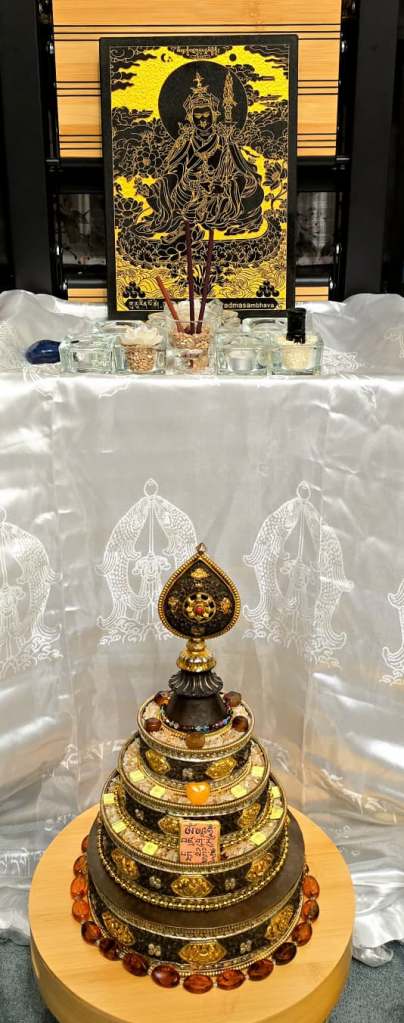
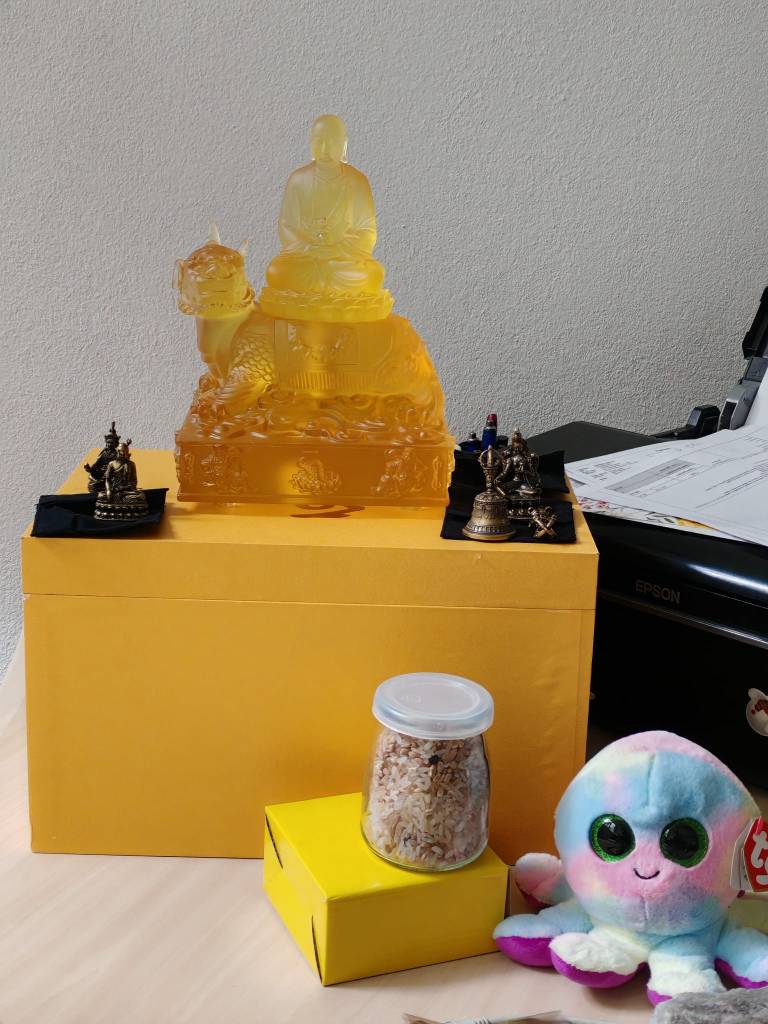
The plaque sits on my altar now. I have pledged ten thousand mantra recitations before it, and when they are complete I will return it to nature, wherever He shows me the way; He has always shown me the way before.

What has grown in me through this blessed work of attending to the plaques is… unexpected: a devotion to Guru Rinpoche that is deep, and ardent, and profound, a love unlike any I have felt before it.

With love,

Veronica Sonam Drölma

Padmasambhava on the Bucegi Plateau

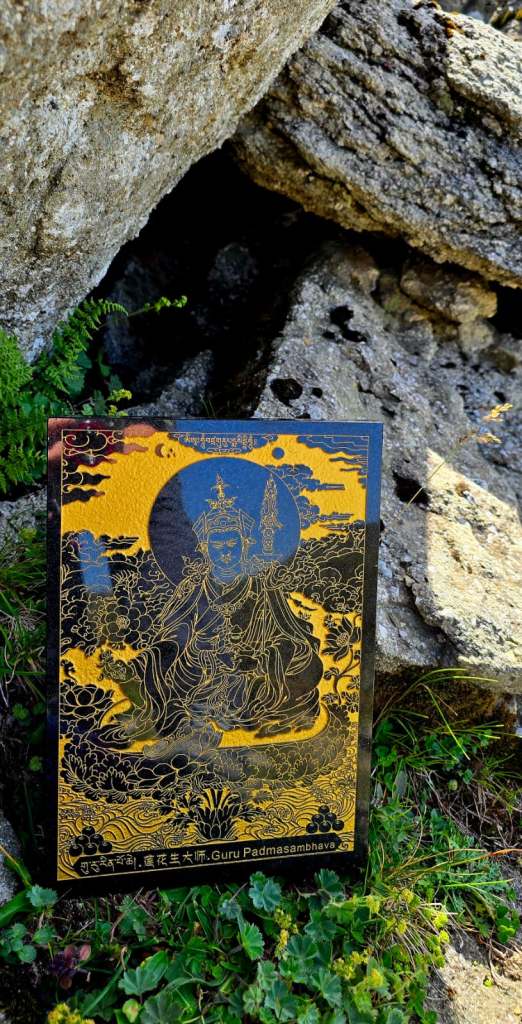
Every plaque begins the same way: as a small (but heavy!) engraved image, carried a long way, waiting for the one crevice in the whole mountain that seems to have been shaped for it. Each one carries the likeness of Padmasambhava, etched in gold on black ganite.

The plaques are not to be left in the open (with some exceptions) where feet and curiosity would disturb them. They are placed deeper in, wedged into fissures that hold them the way a mountain holds anything it intends to keep: quietly, permanently, without announcement. Or in rivers, Or in the ocean. Or buried. The exact places are rarely marked on any map. Some of us simply remember them, the way you remember a face.

Where this devotion comes from

My devotion to Padmasambhava did not arrive as an idea. It grew out of contact, plaque after plaque, mountain after mountain, voyage after voyage, until it became something I carry rather than something I believe. It grew out of the signs that keep appearing whenever I place one: the rainbows in the spray of a waterfall with no rain in sight, the sense of wellbeing that settles over a place once the plaque is fitted into its rock, the good energy that seems to gather there afterward, as though the mountain itself exhaled. My own heart, becoming vast as an ocean.

I cannot always explain these things, and I have stopped needing to. What I can say is that each placement deepens a connection that already runs very deep: to the one who is said to ride the light of the rising and the setting sun, who comes, in the old promise, at dawn and at dusk, for those who hold devotion. Padmasambhava’s activity does not ask for proof. It asks only that the door be left open, and then it walks in on its own.

Today’s plaque: a gift from Naomi Norma Levine

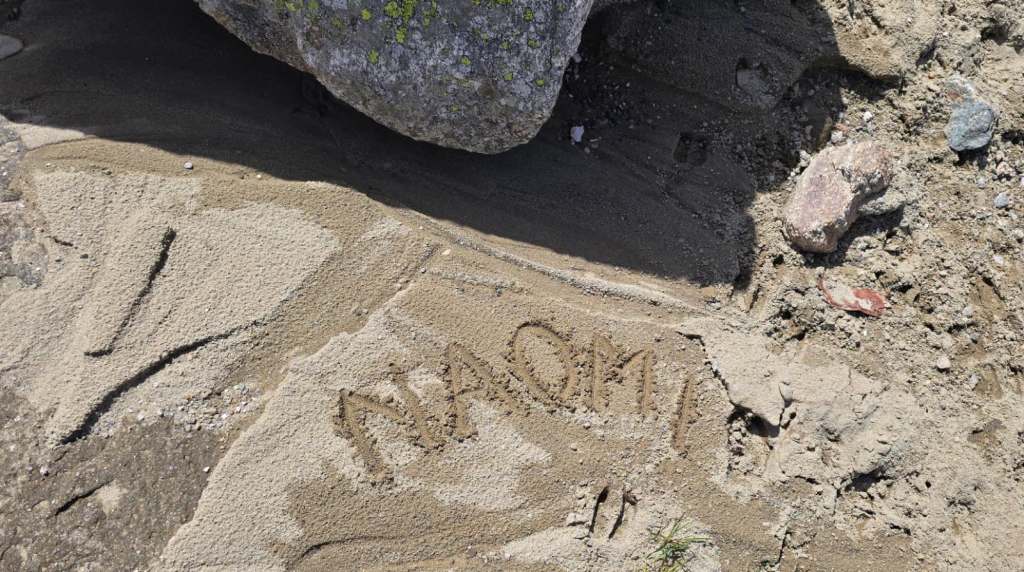
This plaque came to me from Naomi Levine, in the UK; I went to her, and received it from her own hands, which felt important, the way it always does when a sacred object passes from one person’s hands to another’s rather than through the post.

But who’s Naomi?

Naomi Levine has traveled through Bhutan, Nepal, Tibet, Sikkim and Ladakh since 1978, and spent five years living at Sherabling Monastery in northwest India. During that time she visited remote, mountain-top monasteries, crossed through Tibet, and studied with Buddhist lamas. She is recognized as an expert on Buddhist sacred objects, and her writing on the subject, first published in 1993, has stood for decades alongside accounts like Andrew Harvey’s A Journey in Ladakh and Peter Matthiessen’s The Snow Leopard: less a travelogue than the record of a spiritual search and what it uncovered along the way. She offered me a book. How fortunate I am!

To receive a plaque of Padmasambhava from someone who has spent a life among these objects, who understands what they hold and why they matter, is its own kind of blessing, before the plaque has even left for the mountain.

Before sunrise, on the train

Placements like this almost always begin before dawn. I took the early train out, and somewhere along the way I turned the camera sideways and filmed the sun lifting off the horizon, a slow lateral climb of light over the hills. I thought, as I often do at that hour, of the lines from the Sampa Lhündrup:

དུས་ངན་སྙིགས་མའི་མཐའ་ལ་ཐུག་པའི་ཚེ༔
dü ngen nyikmé ta la tukpé tsé
Now, when this degenerate dark age reaches its final depths,

ནངས་རེ་དགོངས་རེ་བོད་ཀྱི་དོན་ལ་བྱོན༔
nang ré gong ré bö kyi dön la jön
At dawn and at dusk you come, for those who have devotion,

ཉི་ཟེར་འཆར་སྡུད་མདངས་ལ་བཅིབས་ཏེ་བྱོན༔
nyizer char dü dang la chib té jön
Riding on the rays of the rising and the setting sun,

ཡར་ངོ་ཚེས་བཅུའི་དུས་སུ་དངོས་སུ་བྱོན༔
yarngo tsé chü dü su ngö su jön
And on the tenth day of the waxing moon, you come in person.

There is something exact about watching a sunrise while holding those words: the verse promises that he rides exactly this light, and there I was, riding toward the mountain on a train carrying the very rays the prayer describes.

The climb, ah, the climb!

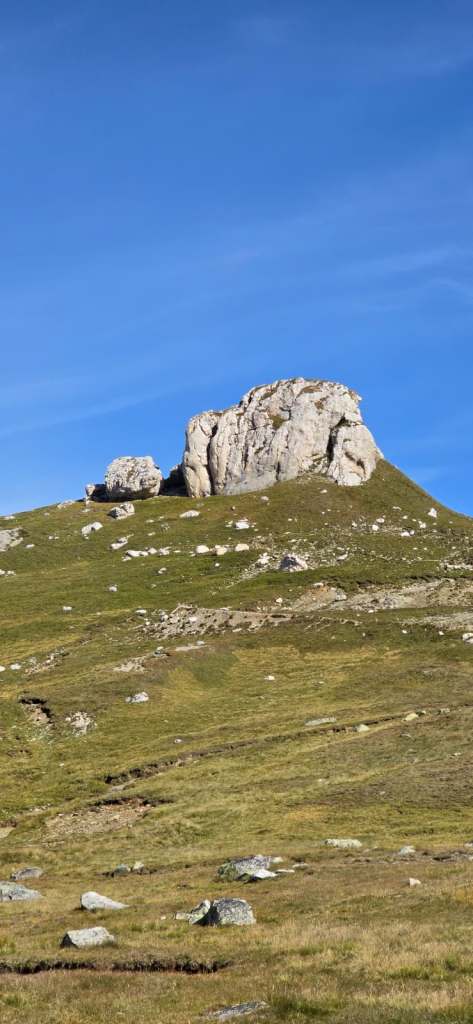
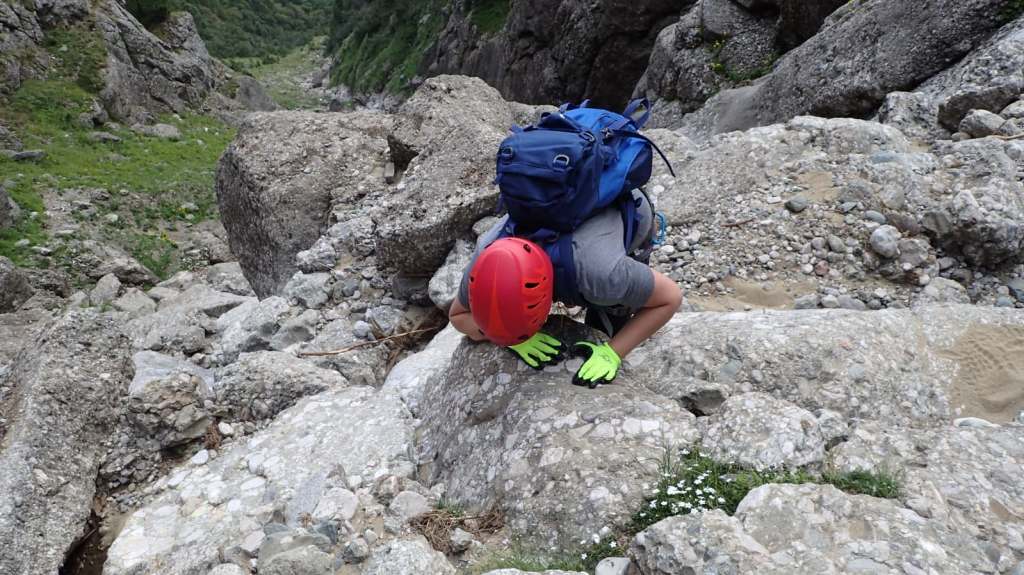
The Bucegi plateau sits high above the Prahova Valley, a broad, wind-scoured tableland of grass and limestone and granite outcrops well above 2,000 meters, crowned by Omu Peak at 2,505 meters, one of the highest points in the Southern Carpathians. I began my trek toward Omu, but I did not want to reach the summit itself; it draws too much foot traffic, too many people passing through in a day, and a plaque needs quiet, not a crowd.

So I turned off the main trek and moved farther out across the plateau, until I found a cluster of rocks with good, deep fissures, the kind a plaque can be pressed into and trusted to stay. I placed it there, at an altitude of 2,328 meters. The exact coordinates I’ll share privately with the project’s managers, as I always do; some things are better held close.

Rest, rainbows, small flowers

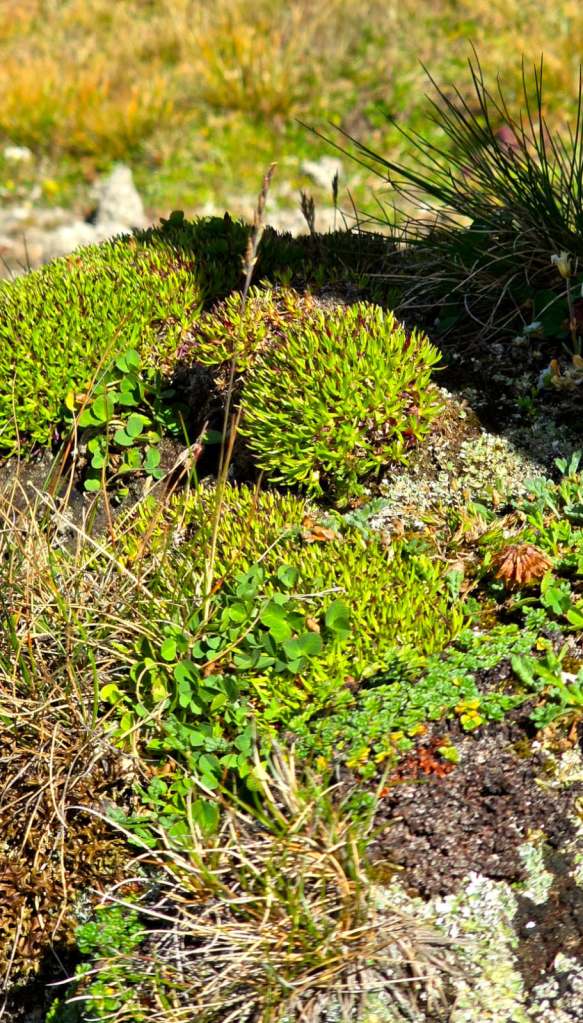
Afterward I sat and rested a while, letting the placement settle the way I do every time. The sun was strong, the light kept breaking into small rainbows across the rock, the way it so often does around these plaques, and tiny alpine flowers pushed up between the stones, indifferent to the altitude. It is a strange, plain kind of joy, sitting on a mountaintop with nothing to do but notice.

The sheep, and a mantra

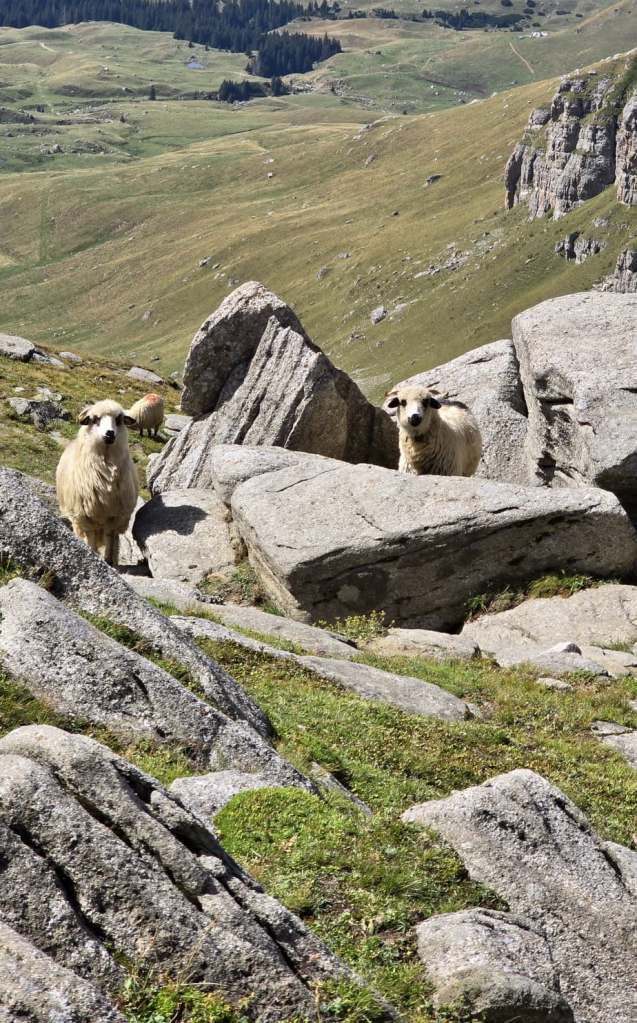
I sang the Medicine Buddha mantra, quietly, mostly for myself, and within a few minutes a large flock of sheep had gathered nearby, watching me with open curiosity, ears forward, utterly astonished. I laughed, and something in my chest loosened; my heart felt more serene than it had all morning. There is a particular… grace in animals choosing to come closer rather than flee.

A dedication

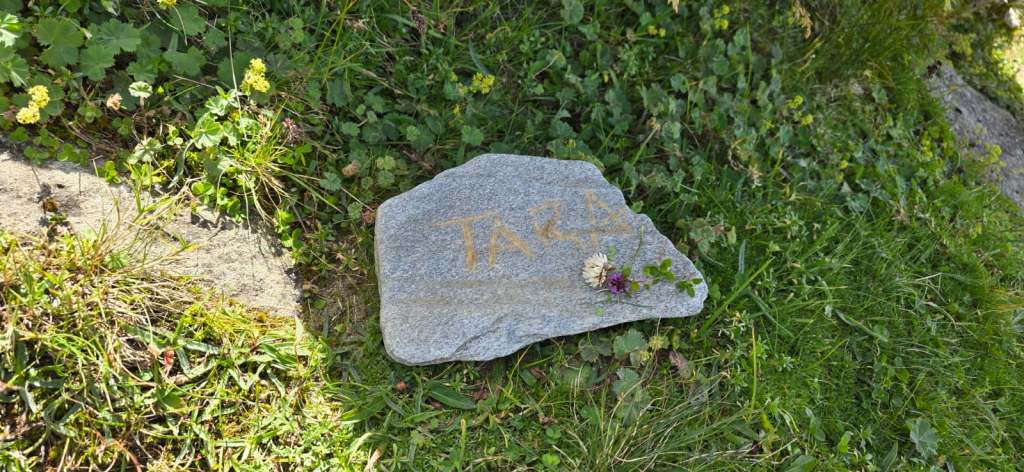
I dedicate the merit of the placement to Naomi Norma Levine, and to her fur baby, Tara, the dog who passed away only a few weeks ago. It feels right.

The stone stupa

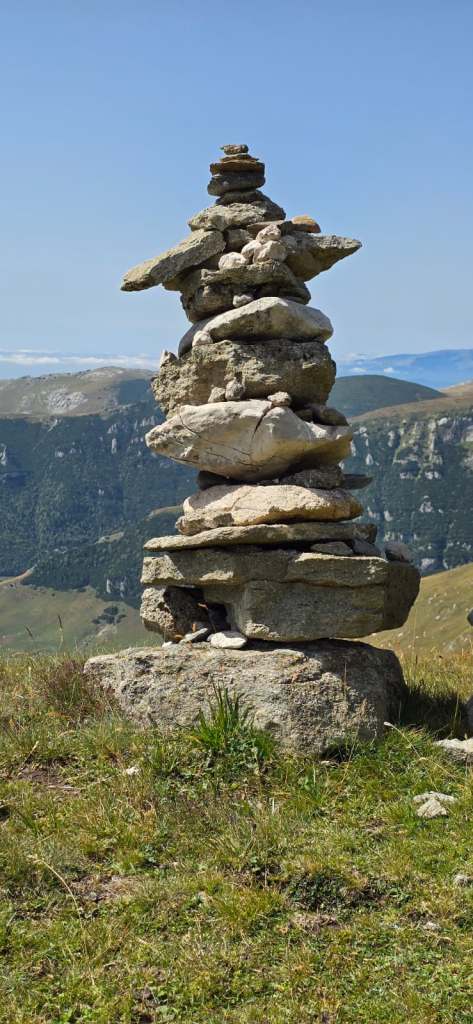
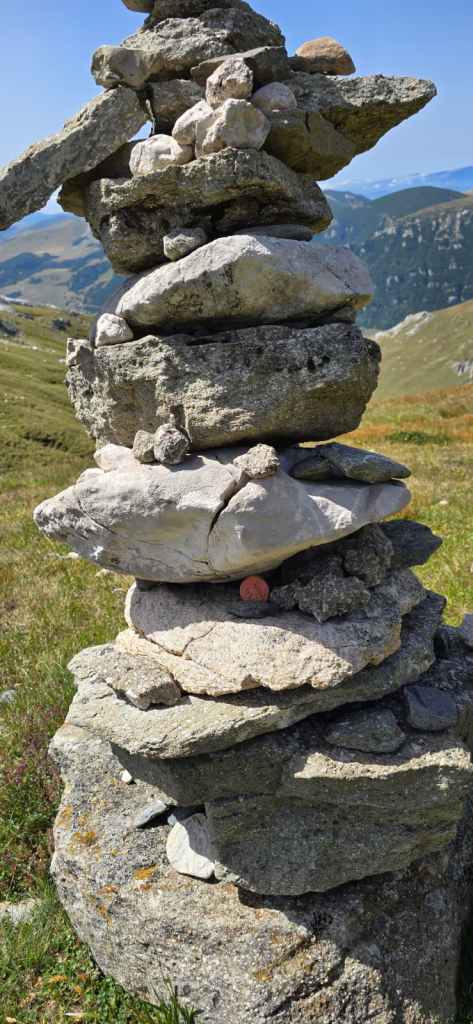
In another corner of the plateau stands a stupa made entirely of stacked rocks, one balanced on the next, no mortar, nothing but patience and an eye for balance holding it together. People do this everywhere, instinctively; I have seen the same clusters of small stone towers at Istituto Lama Tzong Khapa in Italy, and at countless overlooks and passes around the world. I think the gesture is older than any one tradition: stacking stones is a way of marking that a place mattered enough to leave something behind, of turning a passing moment into something that stands after you’ve gone, a small defiance of impermanence built from the most impermanent-seeming material there is. It says, simply, someone was here, and it meant something.

This particular stupa is 170 centimeters tall and genuinely remarkable, an unlikely piece of engineering built by hand and instinct rather than plan. Within it, I placed a small, carefully crafted Padmasambhava tsa tsa of my own, tucking it into the gaps between the larger stones, so that this quiet monument to the impulse to build and remember now also holds a specific blessing inside it.

Descent

Coming down, the cable car swung past Jepii Mici, those vertical, wrathful rock walls that rise straight out of the forest and take lives without discriminating between the careful and the careless. They are magnificent in the way only truly indifferent things can be: the temples of this world that owe nothing to anyone. My only mountains.

I prostrate.

Veronica Sonam Drölma
Garden of Maitreya
Bucharest, Romania

Pământul a ascultat

Un raport despre Ceremonia de Inaugurare a Pământului Stupei din București – Garden of Maitreya, 14 iunie 2026

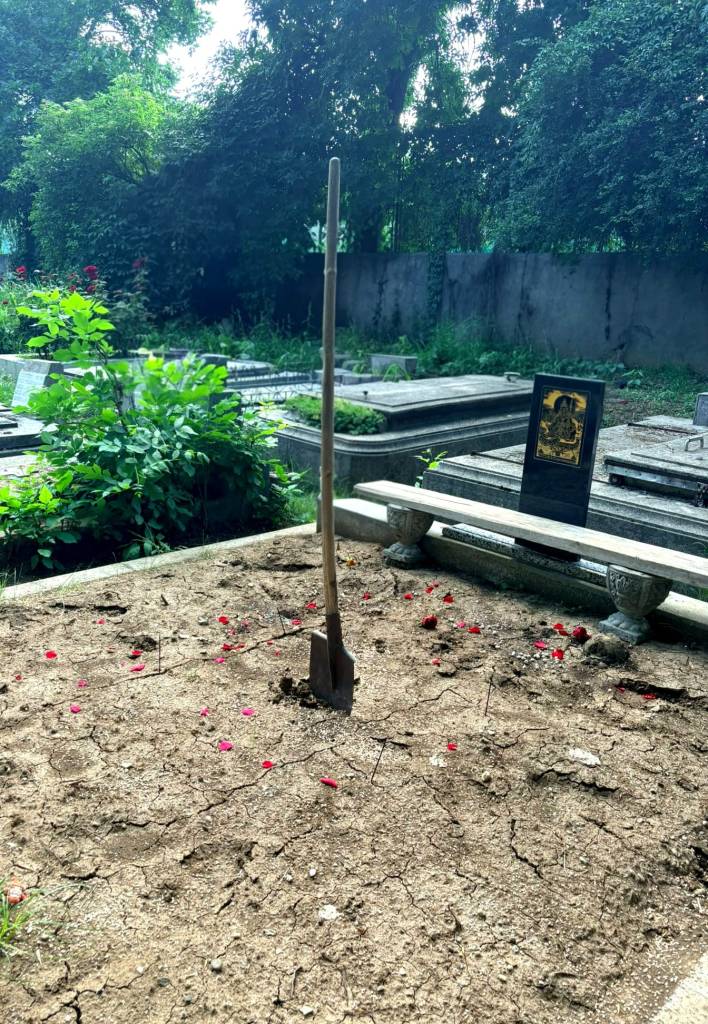
În ziua de 14 iunie 2026, sub un cer minunat de iunie, pământul Bucureștiului a primit ceva ce nu mai îmbrățișase niciodată: începutul unei Stupe.

Condusă cu o blândețe și o răbdare minunate de către Geshe Thubten Sherab, Ceremonia de Inaugurare a terenului pe care se va construi Stupa noastră s-a desfășurat în pace și cu deplin succes. Pentru cei prezenți, a fost o ocazie unică… momentul în care un proiect purtat în suflet atâta amar de vreme… a fost așezat, în sfârșit, în pământul de sub picioarele noastre.

Ce este o Ceremonie de Inaugurare a Pământului?

În tradiția buddhistă, începerea construcției unui obiect sacru nu este, pur și simplu, un moment important al unui proiect. Este o secvență ritualică completă; este un act de devoțiune. Înainte de a mișca o singură piatră, pământul însuși trebuie… consultat.

Tărâmul pe care îl locuim nu este pustiu. Conform înțelegerii buddhiste, fiecare loc este sălaș pentru ființe nevăzute de ochii obișnuiți: nāga, protectori ai pământului, spirite locale al căror tărâm se întretaie cu al nostru. A tulbura pământul înseamnă a acționa din ignoranță; a o face cu ceremonie potrivită înseamnă a invita armonia, a așeza o temelie bună chiar din primul moment al proiectului.

Ceremonia de Inaugurare a Pământului există, astfel, pentru a îndeplini trei lucruri: a cere permisiunea celor care sălășluiesc în pământ; a purifica și a binecuvânta locul, și a stabili fundația spirituală pe care se va înălța Stupa. Totul trebuie făcut cu grijă, pentru că semințele plantate în acele ore reverberează prin întreaga viață a obiectului sacru.

Ceremoniile

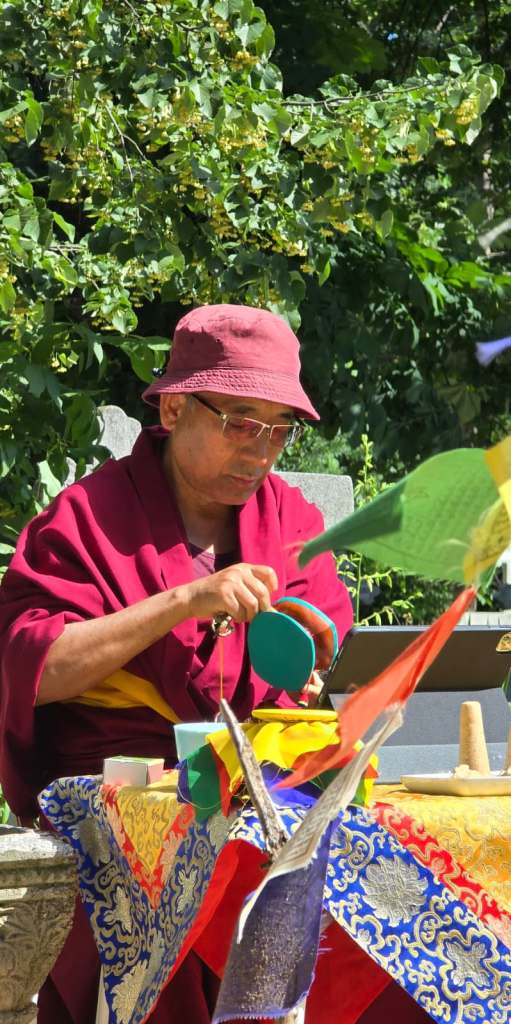
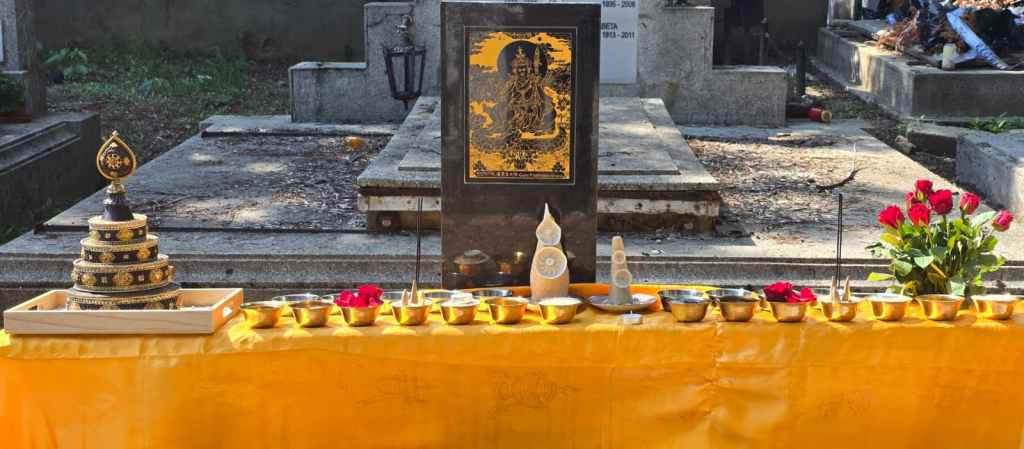
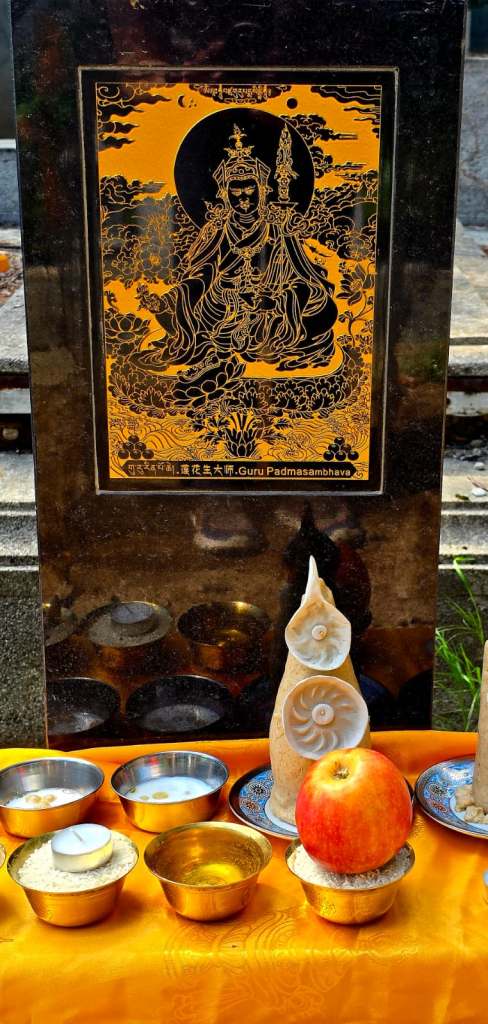
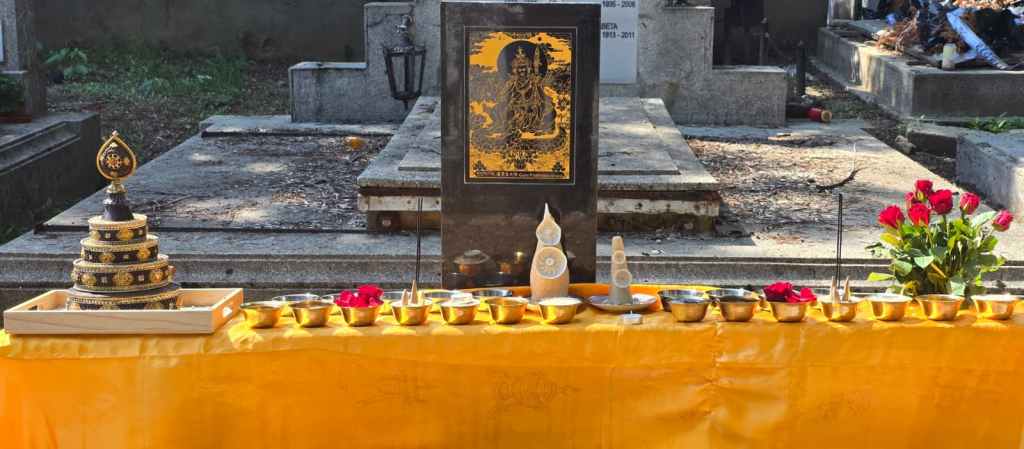
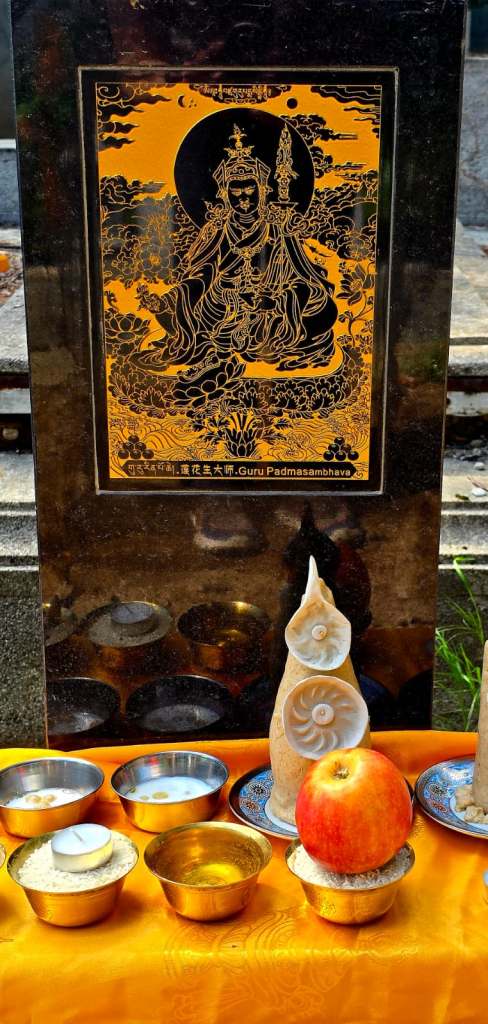
Ceremoniile s-au deschis cu ofrande puse înaintea plăcii lui Guru Rinpoche – Padmasambhava, marele maestru care a adus Vajrayāna din India în Tibet și ale cărui instrucțiuni privind construirea obiectelor sacre rămân autoritate până în ziua de azi. Guru Rinpoche a fost cel care a dat indicațiileprecise pentru vasele de comori, care a învățat metodele de îmbunare a ființelor pământului, care a expus beneficiile nemăsurate ale ridicării stupelor pentru folosul tuturor ființelor sensibile. Prezența sa, invocată la pragul acestei lucrări, a fost deopotrivă o binecuvântare și o aducere aminte a tradiției în care se înscrie ceremonia. Și pentru mine, prezența sa are o semnificație personală profundă.

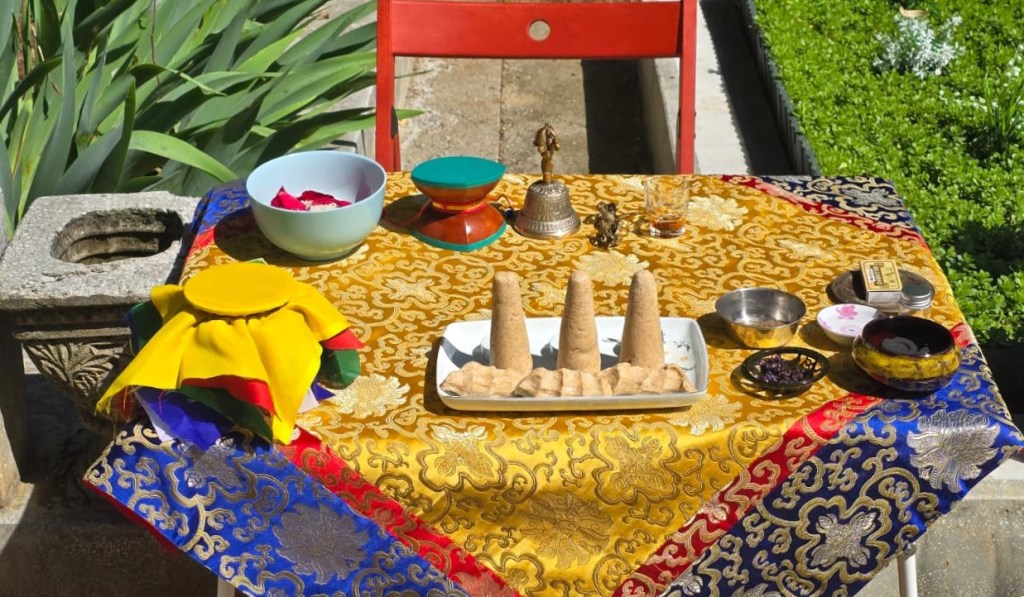
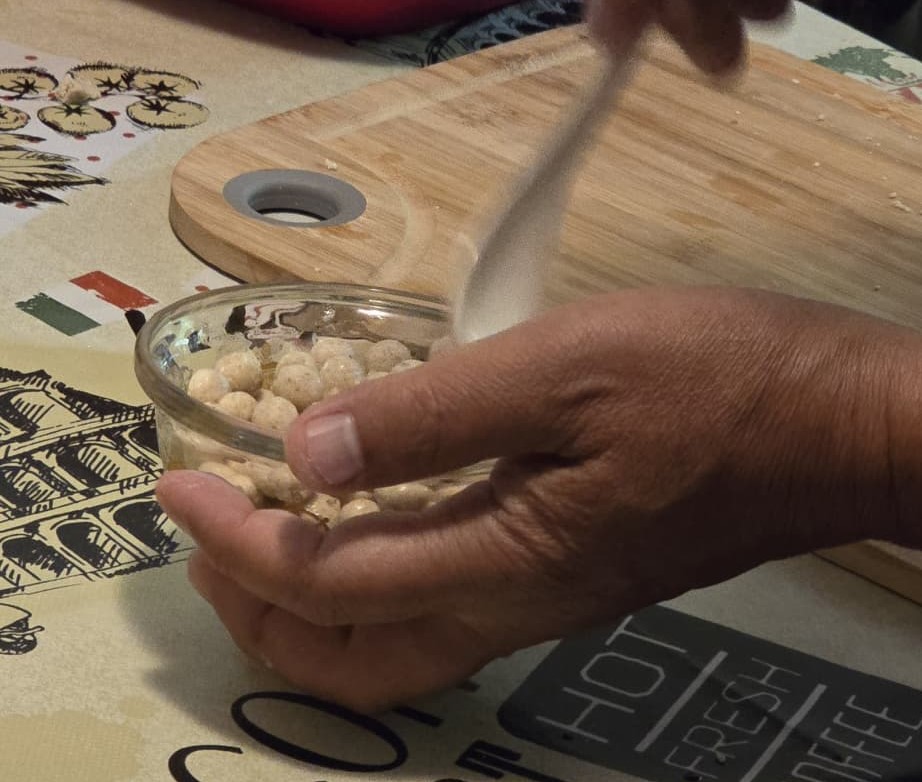
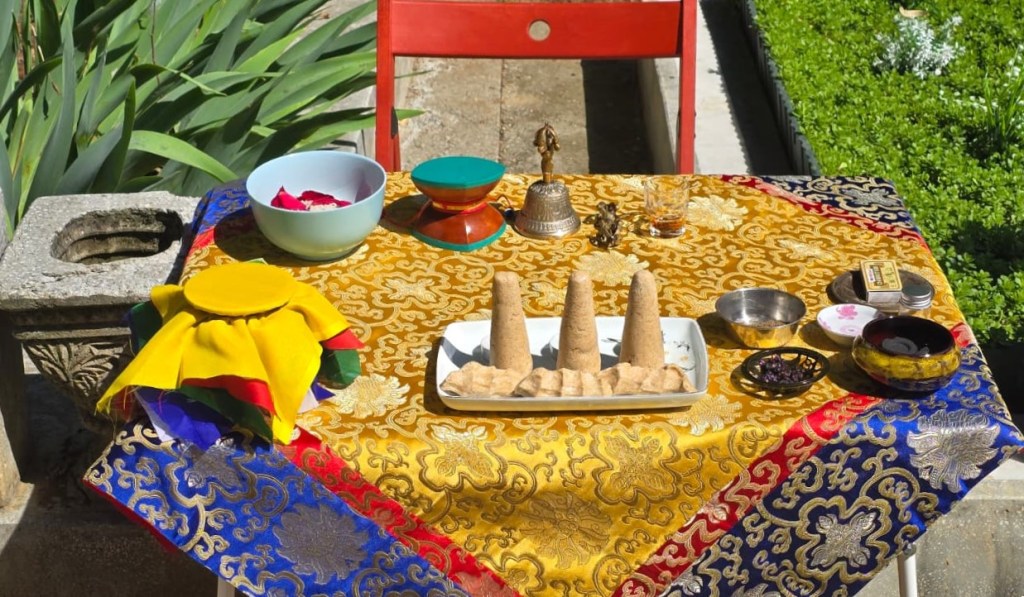
Un gektor; torme rituale făcute din tsampa și unt, modelate după specificații precise; acestea au fost oferite ca parte a ceremoniei de îndepărtare a obstacolelor.

Ritualul gektor este străvechi și profund semnificativ: este oferit forțelor perturbatoare, influențelor nefaste și ființelor care altfel ar putea interfera cu puritatea lucrării, rugându-le să se retragă, sau să accepte ofranda și să își retragă opoziția. Este un act de generozitate chiar și față de forțele adverse; obstacolele nu sunt… izgonite, ci abordate; ființele nu sunt… expulzate, ci primesc ceva în schimbul cooperării lor. Pacificate.

Spiritele locale: protectorii pământului și stăpânii acestui colț anume al Bucureștiului; ele sunt ființele al căror tărâm îl pătrundem de fiecare dată când săpăm pământul; permisiunea lor nu este… presupusă, ci trebuie cerută cu respect. Această parte a ceremoniei este,conform tradiției FPMT, esențială pentru succesul și auspiciozitatea întregului demers.

Un proiect început fără această recunoaștere riscă obstacole la fiecare pas următor; un proiect început cu aceste ofrande… intră în lume cu cooperarea lumii nevăzute, nu cu rezistența ei.

Un set separat de ofrande a fost dedicat nāgașilo – ființele apei, ale pământului și ale tărâmurilor subterane, care au o influență deosebită asupra echilibrului mediului, sănătății și fertilității pământului. Nāgașii sunt sensibili și trebuie doar rar tulburați; sunt, deopotrivă, capabili de o binecuvântare extraordinară atunci când sunt cinstiți cum se cuvine.

În cosmologia buddhistă tibetană, împăcarea nāgașilor nu este periferică unui proiect de construcție; este centrală acestuia, mai cu seamă atunci când pământul va fi deschis și un obiect permanent va fi așezat în el. Ofranda către nāga la Consacrarea Pământului a fost un act de recunoaștere: știm că sunteți aici; venim cu respect; ceea ce construim, construim și pentru folosul vostru.

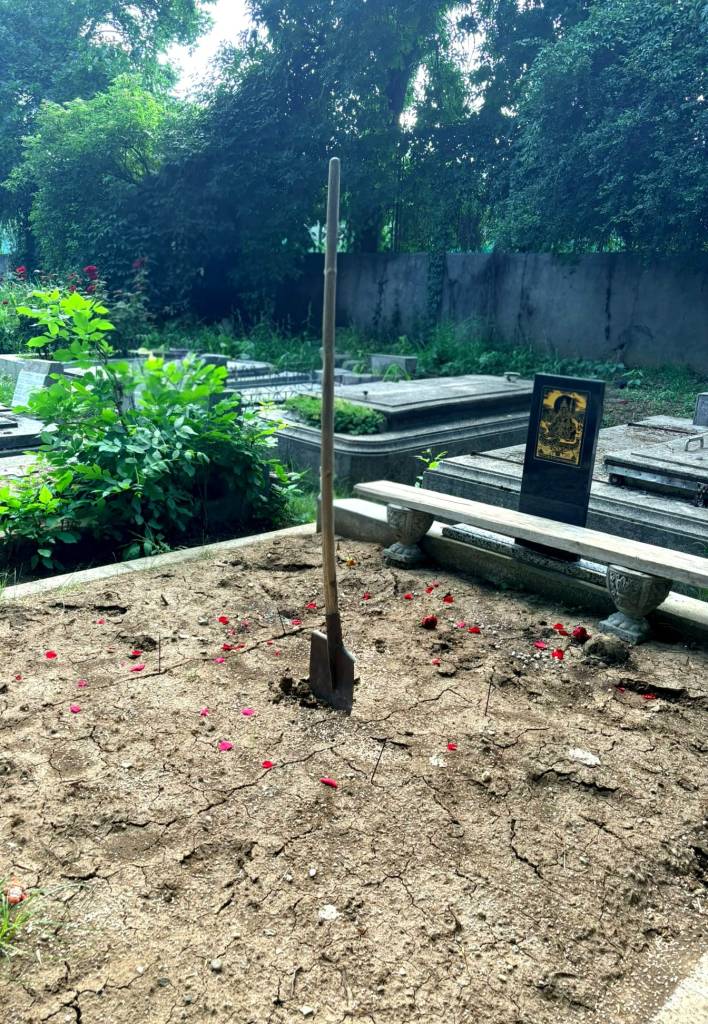
Unul dintre cele mai importante acte rituale ale ceremoniei a fost stabilirea formală a locului exact în care vasul nāga va fi îngropat sub fundația Stupei.

Vasul de comori este o tradiție care se trage direct din instrucțiunile terma ale lui Guru Rinpoche. Un vas pregătit și consacrat conform acestor instrucțiuni, umplut cu substanțe sacre; cristale ce susțin esența vitală a tărâmului Nāga, medicamente prețioase, mantre și materiale consacrate; este îngropat în inima fundației, nu doar ca ofrandă, ci ca obiect viu de binecuvântare continuă. Așezat în pământ, el își răspândește efectele în exterior și în profunzime, armonizând mediul, pacificând dezechilibrele și stabilind relația stupei cu tărâmul de dedesubt. Ne-a fost oferit din Nepal; suntem profund recunoscători binefăcătorului care a dorit să rămână anonim.

Prin marcarea și stabilirea formală a acestui loc în timpul Consacrării Pământului, ceremonia a recunoscut ceva important: stupa nu începe la nivelul solului. Ea începe sub pământ, în întuneric, cu o ofrandă către cei a căror lume nu o vom vedea niciodată.

Prezența lui Geshe Thubten Sherab

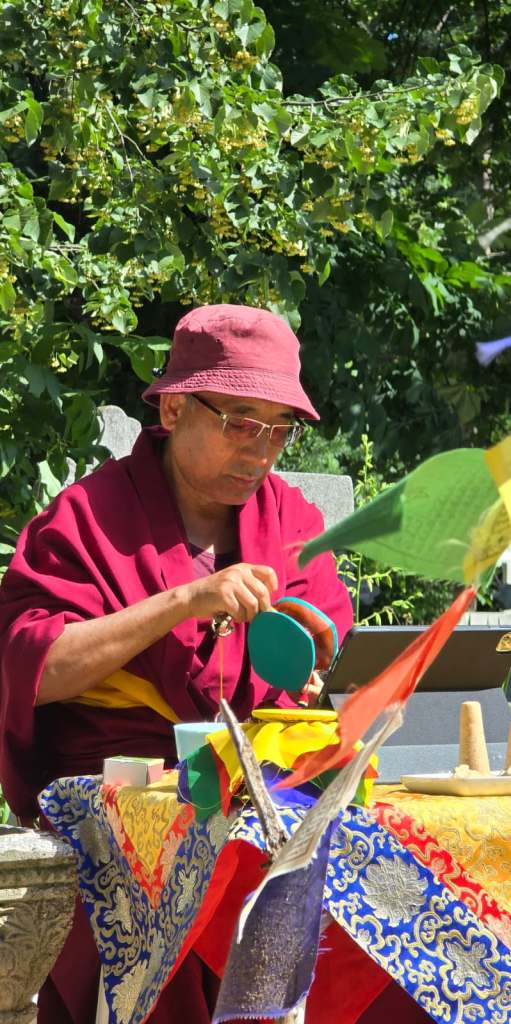
Toate acestea au fost conduse de Geshe Thubten Sherab, a cărui prezență a făcut posibilă ceremonia în sensul ei deplin. În tradiția buddhistă tibetană, un proiect de Stupa necesită implicarea și îndrumarea unui învățător calificat; ritualurile de consacrare și binecuvântare a locului nu pot fi îndeplinite fără autoritatea spirituală și transmisia pe care le poartă un Lama realizat. Geshe-la a condus fiecare element al ceremoniei cu căldură și precizie, asigurându-se că fiecare act a fost îndeplinit… exact așa cum trebuie.

Bunătatea sa a fost ea însăși o învățătură: așa se face lucrarea Dharmei; cu grijă, cu generozitate… fără grabă.

Ce urmează

Ceremonia de Consacrare s-a încheiat. Pământul a fost întrebat; permisiunea a fost dată; lumii nevăzute i-a fost oferit ce i se datora. Locul vasului Nāga este stabilit. Semințele Meritului nemăsurat au fost plantate.

Ce urmează este asamblarea tuturor părților; munca lentă, răbdătoare și plină de bucurie de a construi o stupă pentru orașul București – prima stupă FPMT care se va înălța vreodată în capitala României. Corpul Stupei, deja turnat la Mănăstirea Nalanda de către neprețuitul nostru Profesor, Ven. Tenzin Gendun, a fost deja umplut cu imagini sacre, mantre și relicve conform indicațiilor precise ale lui Lama Zopa Rinpoche, și a fost consacrat; așteaptă să fie expediat, dar și-a început deja lucrarea; lucrarea pe care orice Stupă o îndeplinește prin simplul fapt de a exista: plantând semințele eliberării în mințile tuturor celor care o privesc, o circumambulează, se gândesc la ea, sau pur și simplu trec pe lângă ea.

Așa a învățat Padmasambhava: Toți cei care depun efort cu trupul, cuvântul și mintea lor pentru Stupă vor avea fiecare binecuvântare a trupului, cuvântului și minții sacre a buddhașilor intrând în trupul, cuvântul și mintea lor.

Pământul a fost spart. Să fie toate auspicioase. 🙏

Cu profundă recunoștință față de Geshe Thubten Sherab, față de toți cei care au participat la cele două zile de ceremonie, și față de toți cei a căror generozitate și aspirație fac posibil acest proiect, semnează:

V. A. Sonam Drölma

Garden of Maitreyaa, București

The Earth Has Listened

A report on the Groundbreaking Ceremony of the Bucharest Stupa – Garden of Maitreya, June 14, 2026

On the 14th of June, 2026, under a beautiful summer sky, the earth of Bucharest received something it had never held before: the beginning of a Stupa.

Led with remarkable kindness and patience by Geshe Thubten Sherab, the Groundbreaking Ceremony of our Stupa unfolded peacefully and succesfully. For those present, it was an occasion unlike any other – the moment a project carried in the heart for such a long time… finally made contact with the ground beneath our feet.

What Is a Groundbreaking Ceremony?

In the Buddhist tradition, breaking ground for a holy object is not simply a construction milestone. It is a complete ritual sequence – an act of devotion. Before a single stone is moved, the earth itself must be addressed.

The land we inhabit is not empty. According to Buddhist understanding, every place is home to beings invisible to ordinary eyes: nāgas, earth-protectors, local spirits whose realm overlaps with ours. To disturb the ground without acknowledgement is to act in ignorance; to do so with proper ceremony is to invite harmony, to establish auspiciousness from the very first moment of the project.

The Groundbreaking Ceremony therefore exists to do three things: to request permission from those who dwell in the earth; to purify and bless the site, and to establish the spiritual foundation upon which the Stupa will stand. Everything must done with care, because the seeds planted in those hours reverberate through the entire life of the holy object.

The Ceremonies

The ceremonies opened with offerings set before the plaque of Guru Rinpoche – Padmasambhava, the great master who brought the Vajrayāna from India to Tibet and whose instructions on the building of holy objects remain authoritative to this day. It was Guru Rinpoche who gave the precise specifications for treasure vases, who taught the methods for propitiating the earth beings, who outlined the immeasurable benefits of erecting stupas for the benefit of all sentient beings. His presence, invoked at the threshold of this work, was both a blessing and a reminder of the lineage within which the ceremony stands. For me as well, his presence carries a deep personal significance.

A gektor – ritual tormas made of tsampa and butter, moulded according to precise specifications – were offered as part of the obstacle-removal ceremony.

The gektor is an ancient and deeply meaningful element of Tibetan Buddhist ritual: it is offered to disruptive forces, harmful influences, and beings who might otherwise interfere with the purity of the work, asking them to depart, or to accept the offering and withdraw their opposition. It is an act of generosity even toward adversarial forces – obstacles are not… banished, but addressed; beings are not… expelled, but offered something in exchange for their cooperation. Pacified.

The local spirits – the earth-protectors and place-holders of this particular corner of Bucharest – are the beings whose domain we enter whenever we break ground; their permission is not… assumed, but respectfully requested. This part of the ceremony is, as FPMT tradition makes clear in every Stupa project it undertakes, considered essential for the overall success and auspiciousness of the entire endeavor.

A project begun without this acknowledgement risks friction at every subsequent step; a project begun with it… enters the world with the cooperation of the unseen world, not its resistance.

A separate set of offerings was directed to the nāgas – the beings of water, earth and underground realms who hold particular sway over matters of environmental balance, health and the fertility of the earth. Nāgas are sensitive to disturbance; they are also capable of extraordinary blessing when properly honored.

In Tibetan Buddhist cosmology, appeasing the nāgas is not peripheral to a construction project – it is central to it, particularly when the ground will be opened and a permanent object placed within it. The offering to the nāgas at the Groundbreaking was an act of recognition: we know you are here; we come with respect; what we build, we build also for your benefit.

One of the most significant ritual acts of the ceremony was the formal establishment of the precise location where the nāga vase – will be buried beneath the Stupa’s foundation.

The treasure vase is a tradition traceable directly to Guru Rinpoche’s terma instructions. A vase prepared and consecrated according to those instructions, filled with sacred substances – crystals supporting the life-essence of the nāga realm, precious medicines, mantras, and consecrated materials – is buried at the heart of the foundation, not merely as an offering but as a living object of continuous blessing. Placed within the earth, it radiates its effects outward and downward, harmonizing the environment, pacifying imbalances and establishing the stupa’s relationship with the realm beneath. It has been offered to us from Nepal; we are deeply grateful to the benefactor who wished to remain anonymous.

By formally marking and establishing this location during the Groundbreaking, the ceremony acknowledged something important: the stupa does not begin at ground level. It begins underground, in the darkness, with an offering to those whose world we will never see.

The Presence of Geshe Thubten Sherab

All of this was led by Geshe Thubten Sherab, whose presence made the ceremony possible in the fullest sense. In the Tibetan Buddhist tradition, a Stupa project requires the involvement and guidance of a qualified teacher; the rituals of consecration and site-blessing cannot be performed without the spiritual authority and transmission that a realized Lama carries. Geshe-la conducted each element of the ceremony with warmth and precision, ensuring that every act was performed… exactly as it shoud.

His kindness was itself a teaching: this is how Dharma work is done – carefully, generously… without hurry.

What Comes Next

The Groundbreaking Ceremony is complete. The earth has been asked; permission has been given; the unseen world has been offered its due. The location of the nāga vase is established. The seeds of immeasurable merit have been planted.

What comes next is putting everything together – the slow, patient, joyful work of building a stupa for the city of Bucharest; the first FPMT stupa ever to stand in Romania’s capital. The Stupa body, already casted at Nalanda Monastery by our precious Teacher, Ven. Tenzin Gendun, has been filled with sacred images, mantras and relics according to Lama Zopa Rinpoche’s precise indications, and it has been consecrated; it is waiting to be shipped, but it has already begun its work – the work every Stupa performs simply by existing: planting seeds of liberation in the minds of all who see it, circumambulate it, think of it, or simply pass by.

As Padmasambhava taught: All those who put effort with their body, speech, and mind for the Stupa will have every single blessing of the holy body, speech, and mind of the buddhas enter their body, speech, and mind.

The ground is broken. May all be auspicious. 🙏

With deep gratitude to Geshe Thubten Sherab, to all who participated across the two days of ceremony, and to everyone whose generosity and aspiration makes this project possible.

V. A. Sonam Drölma

Garden of Maitreya, Bucharest

A Stupa is Being Born… and With It, an Ocean of Merit

There is a Stupa being polished at this very moment at Nalanda Monastery in France, under the blessed hands of our Teacher, Venerable Tenzin Gendun – monk, painter, quiet craftsman of holy objects. The Stupa does not have a name yet. It is still becoming. But yesterday it received what makes a stupa a stupa, what turns a beautiful form into a living relic of the Buddha’s enlightenment: its Heart.

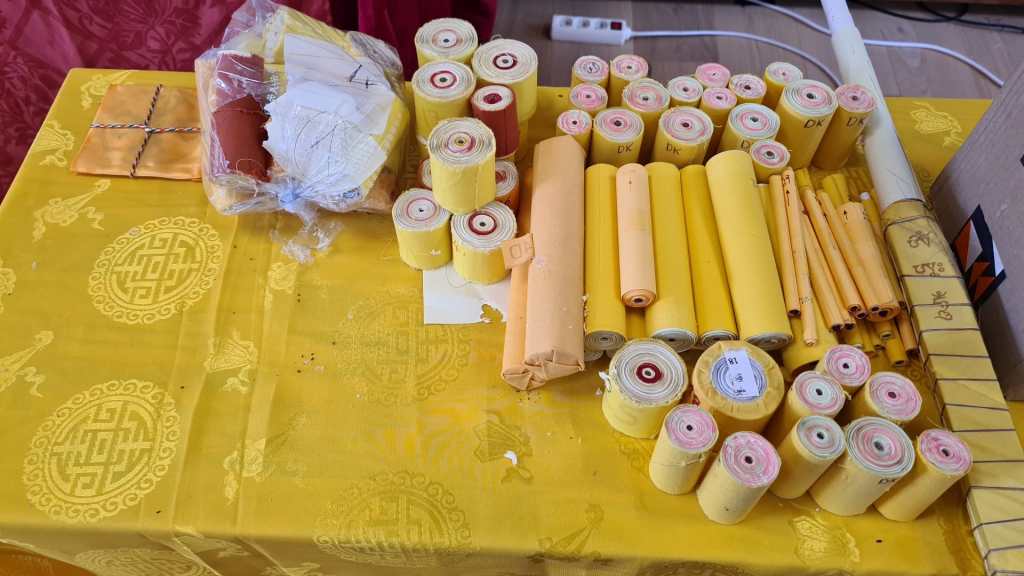
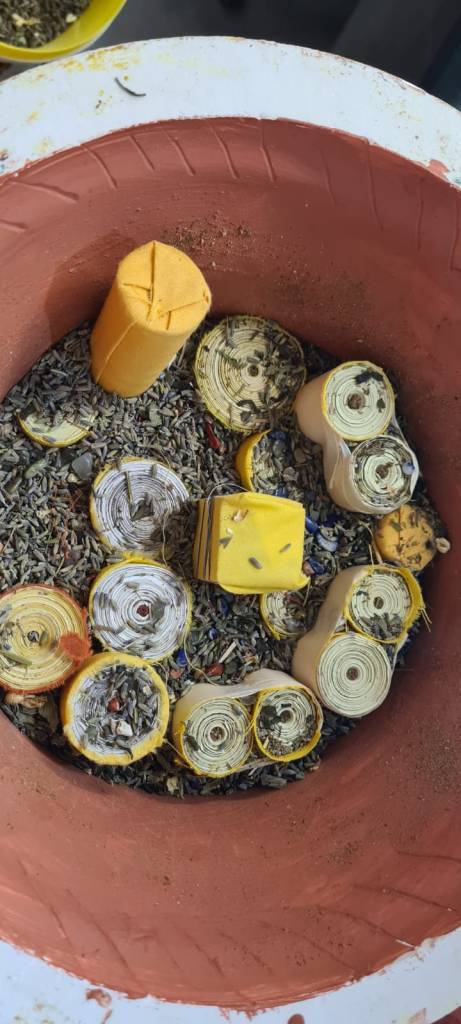
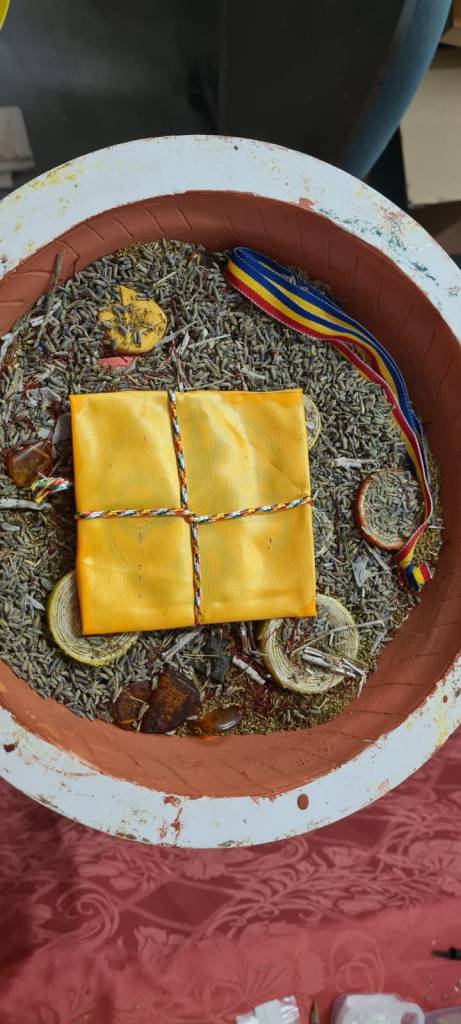
Inside it, with prayers and tears and that particular kind of joy that does not need words, the mantras were placed.

The Four Dharmakaya Relic Mantras have the central place.

And around them, like Offerings encircling the Centre of a mandala, Venerable Gendun placed everything precious we could gather and send to him: rolls of mantra, lavender for fragrance and calm, camomille and mint from the earth, gems and precious stones (amethyst, agate, and others), sand from sacred mandalas, gems that had been offered upon mandalas in previous practices, scented oils, fragments of precious metals (gold, silver), and the Romanian flag… because this Stupa is going Home to Romania.

What Are the Four Dharmakaya Relic Mantras?

To understand what just happened inside this small wooden vessel of awakening, one must understand what Lama Zopa Rinpoche found, with his own hands, in the Kangyur.

Rinpoche has told the story many times of how he discovered them. He had asked a Tibetan geshe at Deer Park whether these mantras were perhaps Nyingma, because the text he knew, The White Crystal Mirror, mentioned their names but did not contain the mantras themselves. Geshe Dönyo mentioned that a great Sera Je lama had written two volumes referencing these mantras. Rinpoche then traced them all the way back to the Kangyur, the word of the Buddha himself. As Rinpoche says in his own words:

“Once I read about the mantras, I was completely amazed by the skies of benefit these Four Dharmakaya Relic Mantras have. Then, when I went to Kopan, I suggested they build the eight types of stupas. This is how all the stupa building in FPMT started.”

These four mantras are not ordinary mantras. They are not “supportive” ingredients. They are, in Rinpoche’s words, the highest relic of the Buddha; relics of the Dharmakaya itself. The robes, the bone fragments, the tooth relics that we venerate around the world… these, Rinpoche reminds us, are secondary relics. The Four Dharmakaya Relic Mantras are the Primary relic. They are what makes a stupa a Buddha.

Rinpoche puts it with that characteristic directness of his:

“The four dharmakaya relic mantras are the main mantras that give power to holy objects. They are what make holy objects most powerful and beneficial, and make it easy for sentient beings to purify negative karma and collect extensive merit. It is like having thousands of atomic bombs to purify the negative karma.”

Thousands of atomic bombs of purification. That is what is now sitting, rolled in yellow, in the heart of our little stupa.

The four are these:

1. Stainless Pinnacle Deity Mantra (Tsugtor Drime)

As taught by the Buddha in the Kangyur, even one prostration, one circumambulation, or one offering made to a holy object containing this mantra purifies completely the five uninterrupted negative karmas (killing one’s father, killing one’s mother, killing an arhat, causing blood to flow from a buddha, and causing a schism in the Sangha). One is completely liberated from the hell, hungry ghost, and animal realms, and from the evil-gone realm of the yama world. One will have a long life. When leaving the body, one will have the fortune to go to a pure land. One will never again be stained by the smell of the womb. All one’s wishes will be completely and exactly fulfilled.

If this mantra is inside a stupa, you will never be reborn in the lower realms and will have a pure life until you achieve enlightenment.

2. Secret Relic Mantra (Sangwa Rigsel)

The Buddha taught Vajrapani that wherever this mantra is, all the Buddhas of the ten directions abide there. Printing the Secret Relic Mantra even once collects the same merit as making offerings to 100,000 x 10 million x 100 billion buddhas. The merit equals having offered to as many buddhas as there are seeds in ninety-nine sesame pods, and one is then continually guided by all of them. One never turns back from enlightenment; the direction of one’s life becomes irreversible.

3. Zung of the Completely Pure Stainless Light (Özer Drime)

This is the mantra of which I have personally, by Rinpoche’s instruction, recited 8,000 repetitions before doing anything in the Project.

The benefits explained in the Kangyur are almost beyond what the mind can hold. If even a bell is offered to a stupa containing this mantra, every sentient being who hears that bell is purified of the five uninterrupted negative karmas. The rain that falls on such a stupa, the dust that touches it, the wind that brushes against it, even the shadow it casts upon the ground… all of these purify the heavy negative karma of any insect, any human, any being they then touch.

In the Buddha’s own words in the Kangyur:

“If this mantra is put inside a stupa then any being, including evil transmigratory beings, who sees the stupa, hears of the stupa, touches the stupa, or who is touched by dust or wind that comes from this stupa, will be free from all negative karmas. They will be born in the realms of happy transmigratory beings and they won’t be reborn in the lower realms.”

This is what was placed inside it yesterday. This is what 8,000 recitations were for.

4. The 100,000 Ornaments of Enlightenment (Jangchub Gyänbum)

By putting even one mantra of the Ornament of Enlightenment inside a stupa, the merit is the same as having built 100,000 stupas; whether the stupa is gigantic like Bodhgaya or tiny like the size of a finger. One collects the merit of having made offerings to all the Buddhas, all the Dharma, all the Sangha. Why? Because, as Rinpoche explains, when you make offering to a stupa containing this mantra, you are not only making offering to a stupa. You are making offering to all the Three Rare Sublime Ones existing throughout the ten directions, in every universe.

The Buddha told Ananda directly: “I explained this sutra for those beings who have very little merit and no devotion, for those who are overcome by doubt and cannot believe in the Dharma.” Rinpoche then adds, with that gentleness only he can carry: “That means Buddha explained this mantra for us.”

For us. Not for the ancient saints. For us.

What This Means for the Garden of Maitreya

After the Stupa is fully polished and painted by Ven. Tenzin Gendun, it will travel to Bucharest. It will be placed in the cemetery-garden where we gather for practice, on the small plot of land that has been concessioned to us for 200 years.

Two hundred years. Think about what that means now.

For two centuries, (and I will make sure way after that, too) this stupa will stand on Romanian soil. Every rain that falls on her, every snow, every wind that comes off the Carpathians and brushes her form, every shadow she casts on the grass and on the graves of those who came before us, every bird that lands on her, every insect that crawls past her base, every passer-by who simply sees her, even those who have no idea what she is… all of them will be touched by the activity of the Buddhas of the ten directions.

This is not poetry. This is the Buddha’s word in the Kangyur, as quoted by Lama Zopa Rinpoche.

And as Rinpoche says, holy objects such as these “liberate sentient beings continuously, twenty-four hours a day, every day.”

May every being who sees this Stupa, hears of it, dreams of it, walks past iter, or simply shares the air around it, be freed from suffering and brought, swiftly and joyfully, to full enlightenment.

–Veronica Sonam Drölma

The Dog of the Buddhas Set Out

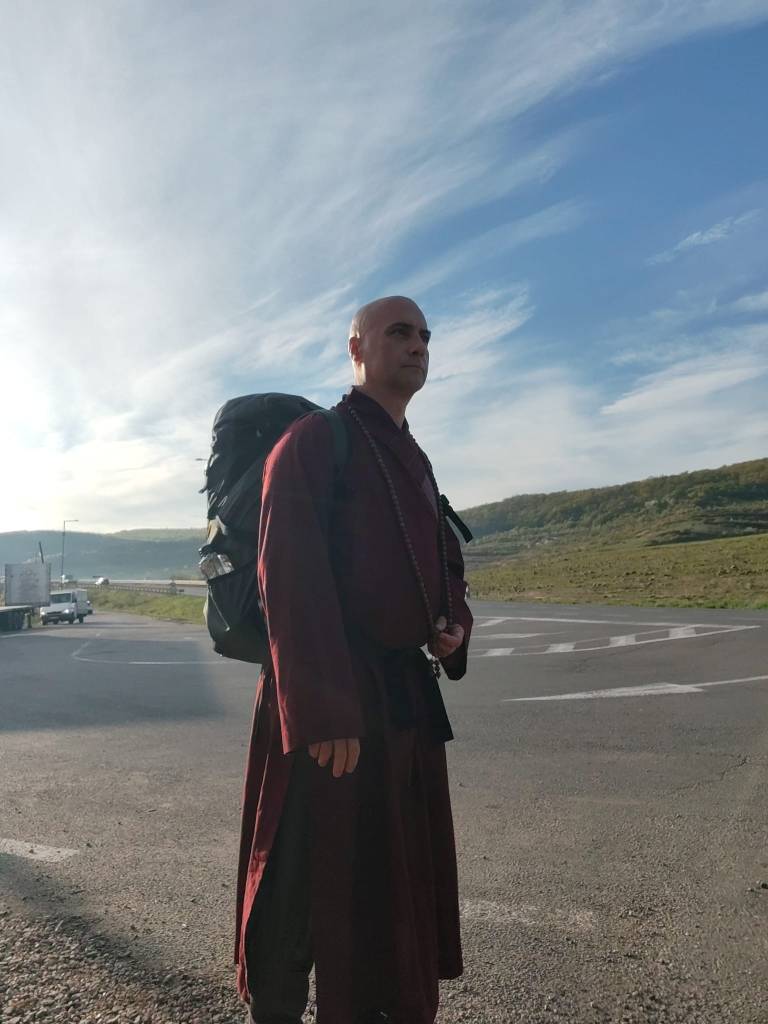
Venerable Josho Adrian (who called himself “The Dog of the Buddhas”) walked over one hundred kilometres on foot, in robes, through the roads, hills and mountains of our country, Romania; and he did it twofold, this time. Two pilgrimages in one. Two seemingly distinct reasons, one and the same heart.

The first pilgrimage was for a friend. The second, for a dog.

He had set out from Bucharest for Cluj with a statue of Kṣitigarbha in his luggage, wrapped with the kind of care only those who have once carried a Buddha in their hands can understand. The statue was meant to reach Silviu, a dear collaborator an FPMT colleague, an old Companion on the road of Dharma, a practitioner since 1995. The original plan had been for Josho to walk the ten kilometres between Cluj and Florești on foot, in robes, as a silent offering. Silviu, however, equally dedicated to his infant daughter’s schedule, proposed something simpler: a meeting at his workplace, in Cluj.

And Venerable Josho went.

🙏

He brought the statue, he brought the offerings from us, his FPMT colleagues (toys, books and some rice and gems from our Mandala); he sat and talked, he performed the service together with him right there, in the office where curious colleagues watched in wonder an Amidaji monk. He gave him advice as a Brother, not as a Saint; he encouraged him to come with the little girl to the stupa at Tranișu, to circumambulate it together. Because Silviu has FAITH, he has devotion to the Buddhas, he has heaps of accumulated merit, I am very sure this friendship will grow and benefit so many other sentient beings!

Silviu, a colleague with such a generous heart, gave him in return gifts only a practitioner can truly treasure: a small statue of Tara, containing Her Mantra and the four Dharmakāya relics; other small statues of Shakyamuni and Padmasambhava; mantras, images, tiny scrolls the size of a palm. And something else: DVDs with the entire Tibetan canon; Kangyur and Tengyur; a treasure Venerable Josho had been seeking for years, so he could place them in the stupa he will be building this year. He received the Vajra Cutter Sutra in a scroll so small it seems impossible an entire teaching on emptiness could have fit there; he received Mani pills; the Dharani Extremely Conquering from Bondage. We rejoice! The gift of Dharma is the supreme gift.

Then the first pilgrimage came to a close.

What followed was something else.

The next day, at six in the morning, Josho set out from Cluj in his robes, with the fifty-litre rucksack strapped to him, with water, with vitamins, with a small statue of green Tara in his pocket. Forty-two kilometres on the first day: the wilderness past Gârbău, the hills he calls “Bardo,” the village of Dumbrava, the E60 expressway with cars flying centimetres past him, the village of Inucu where he stopped with a tired face and an intact smile. The phone wouldn’t charge anymore. The vitamins did their work. At every spring, at every rock, at every place that asked for his attention, he stopped and recited prayers for the beings of that place.

We rejoice!

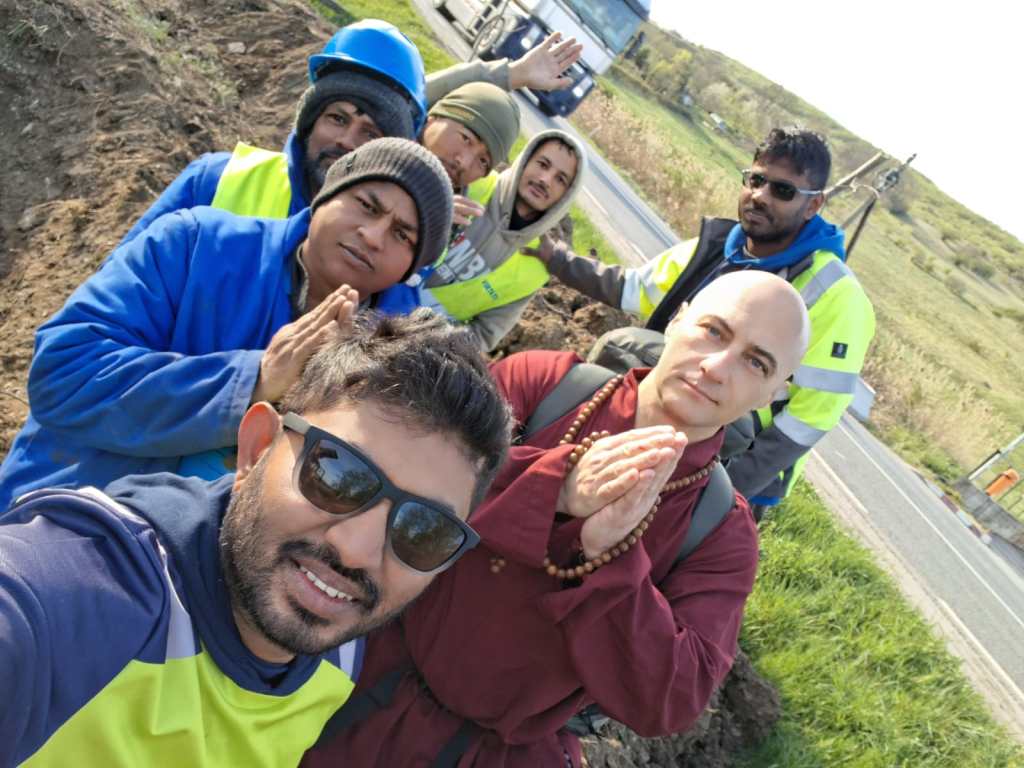
He met Nepalese and Sri Lankan workers.

Buddhists, far from home; far from any temple; far from any spiritual comfort in their own language. And Venerable Josho, who at his work receives no salary and who at his temple pays for everything from donations, stopped at the side of the road, recited Refuge prayers with them, gave them the contact details for our community, for Ven. Tenzin Gendun, for Ven. Migmar Dragpo Repa, for the stupa. Because the Buddha-Dharma knows no borders, and because a monk who is truly a monk never walks past a thirsty soul without giving water.

He reached his beloved guesthouse in Izvoru Crișului by evening. The Hungarian lady, who loves him the way only mothers learn to love, made him tomato soup and once again pressed a jar of yummy zacuscă into his hand. “The soup of the gods” – that’s what he called it. I told him that since the soup was red, it was perfect for my Kurukulle day; and I began reciting, in my Bucharest, five hundred Kurukulle mantras for him.

The next day, on the road through Sâncraiu and Huedin: offerings received from strangers, a pie from a driver who crossed the road specifically for him, cakes from passers-by, well-wishes from people who had never seen a Buddhist monk eating at the side of the road before.

He reached Tranișu on Saturday. The stupa.

And from there he went down.

That descent he made for the dog Mahakala – Floppy Mahakala – a dog he had known personally, a soul he had loved. Marius, our colleague and FPMT coordinator from Cluj, had told him the grave was nearby, walking distance, but there were no markers. Josho searched. He searched in warm weather, with his bald head burning in the sun, with his battery dying, with no signal. It would have been easy to turn his back and leave.

In the end he found the place.

Josho performed the service there. The whole of it. The Nembutsu Liturgy for the dog Mahakala; many other prayers; a list of people he mentioned by name, one by one, so they would receive the Merit. He even made an offering for me there, at the edge of a place without a name. He visualized the dog clearly, like a friend coming to meet you; and the dog’s friends – the great dogs of the area – passed by without barking. With respect. Animals always recognise the presence of those who have come to love.

He climbed back up to the E60, waved at cars without anyone stopping, sat in the shade at a bus stop near Drăgan and waited. At 16:36 he boarded a bus, dusty, sunburnt, fed up, “rugged” as he himself put it. “I am a dog, the dog of the Buddhas.”

I think it was something more than that.

I think a man who walks one hundred kilometres on foot for a statue he leaves in the hands of a friend, and then again for a dog he can no longer see except with the eyes of his mind, is someone who understands something the rest of us only fumble after. I think this pilgrimage was led by Mahakala himself; that’s what Josho told me at one point, on the road, and I felt the same. I think the blessings of Kṣitigarbha flowed through the hands that held the statue, over Silviu’s house, over his little girl, over everything we see and do not see.

And I think no one ever forgets a dog who loved them.

Thank you, Venerable Josho Adrian; my brother. For the road you walked. For the gifts you received and the gifts you gave. For all the beings who benefited and for those who will yet benefit. For Floppy Mahakala, who was the heart and the destination of this pilgrimage.

The Dog of the Buddhas set out for the glory of all the Buddhas and the welfare of all sentient beings.

And he arrived.

Melodia sălciilor plecate în vânt

Discursuri Dharma despre abandonarea uciderii, vătămării și consumului

cărnii ființelor simțitoare nevinovate

Geshe Thubten Soepa

Traducere în limba română:

Veronica Sonam Drölma

Garden of Maitreya – Bucharest, Romania

ISSN 3044 – 8972 ISSN L 3044 – 89

Introducere

Venerabilul Kyabje Lama Zopa Rinpoche mi-a cerut să traduc anumite secțiuni din cartea lui Geshe Thubten Soepa despre vegetarianism, intitulată Discursuri Dharma despre abandonarea uciderii, vătămării și consumului cărnii ființelor simțitoare nevinovate, cunoscută sub titlul Melodia sălciilor plecate în vânt, publicată de Biblioteca Sera Jey în anul 2018.

Cartea este adresată în principal comunității monastice și include numeroase dezbateri referitoare la Vinaya și la scripturile Vajrayana. Lama Zopa Rinpoche a indicat că nu este necesară traducerea întregii lucrări; în schimb, traducerea ar trebui să se concentreze asupra secțiunilor relevante pentru comunitatea buddhistă laică. Din acest motiv, părțile care conțin dezbateri specifice Vinaya și Vajrayana au fost omise.

Textul tibetan nu oferă întotdeauna toate referințele și sursele necesare, ceea ce face ca anumite citate și pasaje să nu fie clar delimitate între citate directe și formulări ale autorului. De asemenea, textul tibetan este uneori repetitiv, iar versiunea tradusă a omis aceste repetiții. Numerele din paranteze indică paginile textului tibetan.

Această traducere este una foarte concisă. Cercetări mult mai ample și deosebit de valoroase despre vegetarianism, precum și traduceri ale scrierilor tibetane pe această temă în cadrul buddhismului tibetan, pot fi găsite în lucrările Food of Sinful Demons: Meat, Vegetarianism, and the Limits of Buddhism in Tibet și The Faults of Meat: Tibetan Writings on Vegetarianism.

Gelong Tenzin Namdak

Centrul Buddhist Jamyang Londra

Sakadawa 2025

Biografia lui Geshe Thubten Soepa

Geshe Thubten Soepa s-a născut în Zanskar, India, în anul 1955. Încă din copilărie, el și mama sa au primit sfatul Sanctității Sale Ling Rinpoche și al Sanctității Sale Dilgo Khyentse Rinpoche că ar fi benefic pentru el să intre în viața monastică, iar el a urmat curând această îndrumare.

La vârsta de paisprezece ani, Geshe Soepa și-a început educația Dharma la mănăstirea lui Domo Geshe Rinpoche din Kalimpong, India, unde a studiat ritualurile timp de patru ani. Ulterior, s-a transferat la Mănăstirea Sera Jey din Bylakuppe, India, unde avea să își finalizeze studiile de Geshe douăzeci și unu de ani mai târziu, obținând în anul 1993 cel mai înalt titlu, acela de Geshe Lharampa.

În primii trei ani de activitate ca Geshe, a predat filosofie și gramatică tibetană la mănăstirile Sera Jey și Dzongkar Chode. Ulterior, Geshe Thubten Soepa a primit o solicitare din partea lui Lama Zopa Rinpoche de a preda în Occident. El a acceptat cererea lui Rinpoche și s-a mutat la München, Germania.

Timp de zece ani, a predat neîntrerupt în centrele FPMT din Germania, Austria și Elveția, călătorind totodată în alte centre din Europa pentru a oferi învățături. După perioada petrecută în Europa, următorul deceniu al vieții sale a fost dedicat în principal Americii de Nord, unde a oferit învățături în centrele FPMT din Canada, Mexic și Statele Unite ale Americii.

Promovarea vegetarianismului și protejarea vieții

Geshe Thubten Soepa a fost profund dedicat promovării vegetarianismului, în special în rândul celor care trăiesc viața monastică. De-a lungul timpului, a scris numeroase cărți și articole despre practica renunțării la consumul de carne, bazându-se pe surse scripturale precum Sutra Lankavatara, Marea Sutra a Norului, Mahaparinirvana Sutra și Sutra Angulimala, pentru a transmite învățăturile lui Buddha.

Prima sa carte s-a intitulat Protejarea vieților ființelor neajutorate: Floarea de lotus Udumbara și este disponibilă în prezent sub formă de carte electronică prin Lama Yeshe Wisdom Archive.

În anul 1996, în timpul vizitei Sanctității Sale Dalai Lama la München, Geshe Soepa a avut ocazia să îi ofere Sanctității Sale un exemplar al acestei cărți. Sanctitatea Sa i-a spus că a citit întreaga lucrare, că a fost foarte mulțumit de text și că l-a încurajat să își continue eforturile în această direcție.

În anii următori, Geshe Soepa a scris patru texte despre vegetarianism, care au fost traduse în cinci limbi și distribuite gratuit. În anul 2012, a publicat un text scurt despre învățăturile Vinaya din Hinayana privind renunțarea monasticilor la consumul de carne.

În timpul inițierii Kalachakra oferite de Sanctitatea Sa Dalai Lama în anul 2017 la Bodhgaya, India, Geshe Soepa s-a întâlnit cu Lama Zopa Rinpoche și i-a oferit acest text scurt. Lama Zopa Rinpoche a fost, de asemenea, foarte mulțumit de scrierea sa.

Geshe Soepa i-a spus lui Rinpoche că intenționa să scrie un nou text pentru a clarifica anumite puncte suplimentare, iar Rinpoche a exprimat dorința ca acest text să fie tradus în limba engleză, astfel încât să poată fi ulterior tradus cu ușurință în mai multe limbi.

Geshe Thubten Soepa a publicat o nouă lucrare în limba tibetană în anul 2018, destinată comunității monastice. Fragmente din această ultimă lucrare sunt incluse în prezentul volum.

Geshe Thubten Soepa a trecut la parinirvana într-un spital din Mysore, India, la data de 2 noiembrie 2022, în urma unui atac de cord.

Citate diverse despre dezavantajele consumului de carne

Dacă cineva întreabă care sunt dezavantajele consumului de carne, acestea sunt numeroase. Cel mai important aspect pentru un practicant buddhist este faptul că mâncatul cărnii poate împiedica practica meditației și poate obstrucționa dezvoltarea iubirii pline de bunătate, a compasiunii și a concentrării necesare pentru realizarea stării non-dualității dintre liniștirea mentală și înțelegerea profundă.

Aceste puncte sunt explicate în diverse sutre și tratate. De exemplu, Sutra Lankavatara afirmă:

Atunci când cineva mănâncă carne, nu poate dobândi realizările mantrelor secrete și ale mantrelor cunoașterii, iar zeii îl vor ignora.

În Etapele meditației, Kamalaśīla afirmă, în contextul bodhicittei:

Practicanții care se angajează în meditația asupra liniștirii mentale și a înțelegerii profunde ar trebui să evite consumul de pește și carne. De asemenea, este important să fie atenți la hrana lor și să se bazeze pe alimente curate și hrănitoare.

Jetsun Milarepa a spus:

Practica disciplinată a renunțării la acțiunile negative este esențială pentru dobândirea experiențelor și realizărilor pe cale.

Mai mult, atunci când ne numim urmași ai lui Buddha, este necesar să generăm renunțare și să abandonăm atașamentul, pentru a putea atinge eliberarea.

Dromtönpa a afirmat:

Nu ar trebui oare să fim neîncetat mișcați de regret atunci când vedem necesitatea plății karmei uciderii, atunci când consumăm carnea și sângele părinților noștri?

Khedrub Je menționează în Explicația celor trei jurăminte:

Atunci când se consumă carne, apare adesea un atașament puternic, orientat spre propriul interes. Acest atașament duce la slăbirea compasiunii și devine un obstacol ce trebuie abandonat. Fie că este vorba despre un călugăr deplin hirotonit, un novice, un rege, un învățător, un conducător al unei comunități sau un laic obișnuit, este recomandabil ca toți să evite consumul de carne.

Marele deținător al tronului, Ratreng Dorje Chang, a spus:

Cei care aspiră să devină mari bodhisattva ar trebui să renunțe la atașamentul față de carne. Atașamentul față de gustul cărnii împiedică practica compasiunii și conduce la degenerarea acesteia.

Jetsun Dragpa Gyaltsen din tradiția Sakya afirmă:

Atunci când se consumă alcool, memoria se deteriorează, de aceea alcoolul trebuie abandonat. Atunci când se consumă carne, compasiunea se diminuează, de aceea consumul de carne trebuie abandonat.

Shabkar a spus:

Rădăcina saṃsārei este creșterea dorinței intense. Esența Dharmei este compasiunea, iar consumul cărnii și sângelui părinților noștri întrerupe dezvoltarea compasiunii; de aceea, mâncatul cărnii are mari dezavantaje.

De asemenea, el a spus:

Pentru a obține carne, nenumărate ființe simțitoare sunt ucise zilnic în această lume, iar viețile lor sunt distruse. Consumul altor tipuri de hrană nu produce o asemenea vătămare.

Și a mai spus:

Cum ar fi dacă cineva ți-ar tăia capul, ți-ar lua esența vieții și ți-ar mânca trupul? Reflectând la propriul corp astfel luat, nu ar trebui să mâncăm carne, deoarece acest lucru provoacă suferință altora.

Ar trebui să luăm acest exemplu profund în inimă și să reflectăm sincer asupra lui. În plus, Sutra Lankavatara afirmă:

Cei care ucid ființe pentru profit și cei care fac comerț cu bunuri pentru a cumpăra carne, purtând karma acestor două rele, vor plânge după moarte.

Acest lucru subliniază consecințele profunde ale acțiunilor care provoacă suferința ființelor simțitoare, un punct esențial pentru practicanții dedicați căii compasiunii și non-violenței.

Consumul de carne ca formă de furt al vieții altora

Marele mahasiddha Drukpa Kunley menționează trei aspecte în legătură cu mâncatul cărnii: furtul, jaful și uciderea.

Și Sutra Aṅgulimāla menționează următoarele în legătură cu aceste puncte:

A lua carnea ființelor ucise este asemenea jafului și smulgerii vieții și trupului ființelor simțitoare. Pe lângă acțiunea uciderii, se creează și karma negativă a furtului, deoarece adevăratul proprietar al trupului unei ființe este exclusiv acea ființă însăși.

O poveste similară se regăsește în viața Bodhisattva Siddhartha, care a salvat viața unei lebede.

Atunci când Devadatta a tras cu săgeata în lebădă, făcând-o să cadă la pământ, Bodhisattva Siddhartha a intervenit pentru a o salva. Devadatta a susținut:

„Lebăda îmi aparține mie; eu am tras cu arcul și săgeata, iar ea a căzut la pământ.”

Ca răspuns, Bodhisattva Siddhartha a spus:

„Lebăda este adevărata proprietară a propriei sale vieți. Cum poți pretinde că îți aparține? Tu ești dușmanul lebedei, pentru că ai rănit-o.”

Într-unul dintre discursurile sale publice, Sanctitatea Sa cel de-al Paisprezecelea Dalai Lama a menționat că, deși avem dreptul de a căuta fericirea și bucuria în viață, nu avem dreptul de a ne urmări propria fericire prin înșelarea altora, prin furt, prin abuz sau prin vătămarea ființelor vii.

Punctele prezentate mai sus arată clar că nimeni nu are dreptul de a lua viața altei ființe în scopul propriei fericiri. Este esențial să reflectăm profund asupra acestor idei și să analizăm dacă luarea vieții altcuiva poate fi considerată o formă de însușire sau furt al existenței sale.

Renunțarea la atașament și dezvoltarea compasiunii

Învățăturile buddhiste pun accent pe nonviolență și pace. O practică esențială pe calea eliberării individuale este renunțarea la atașamentul față de fericirea temporară a existenței ciclice și cultivarea unei autentice atitudini de renunțare.

Ca parte a acestei practici, este important să se renunțe și la dorința pentru consumul de carne.

În Vehiculul Bodhisattva, fundamentul întregii practici este marea compasiune, dorința profundă de a elibera ființele de suferință și de a deveni un refugiu pentru ele. În plus, practicanții cultivă compasiunea intenției speciale și compasiunea exprimată prin Cele Patru Gânduri Nemăsurabile.

Este esențial să înțelegem că compasiunea este însăși esența Dharmei. Consumul cărnii ființelor simțitoare ucise contrazice aceste principii fundamentale ale compasiunii și devine un obstacol în dezvoltarea iubirii pline de bunătate.

Beneficiile evitării consumului de carne

Spre deosebire de animale, ființele umane au libertatea de a alege ce hrană consumă. Unele animale, prin natura condiției lor de naștere, sunt nevoite să vâneze alte ființe pentru a supraviețui. În schimb, oamenii pot menține o stare bună de sănătate și fără consumul de carne, iar diverse studii științifice sugerează chiar existența unor aspecte nesănătoase asociate consumului de carne.

În Aṅgulimāla Sutra, Buddha afirmă:

De-a lungul a nenumărate milioane de vieți, am renunțat la consumul de pește, carne și grăsimea ființelor ucise și i-am încurajat și pe alții să facă la fel. Prin aceasta am dobândit un corp sănătos. De asemenea, în multe dintre acele vieți, am inspirat milioane de ființe, oameni și zei, să purifice nenumărate afecțiuni, ajungând în cele din urmă la un corp lipsit de elaborări.

În această sutră, Buddha explică faptul că a renunțat la consumul de carne și i-a încurajat și pe alții să facă la fel. Prin activități vaste de acest tip, inclusiv prin sprijinirea altora în eliminarea afecțiunilor mentale, Buddha a atins Dharmakaya.

De asemenea, Sutra Lankavatara afirmă:

Atunci când cineva abandonează consumul de carne, voi, brahmani și yoghini, veți dobândi bogăție și înțelepciune.

Această sutră explică faptul că renunțarea la sânge și carne creează karma maturării pentru renașteri superioare, precum cele în caste înalte, și conduce atât la dezvoltarea înțelepciunii, cât și la prosperitate materială. Atunci când se depinde de hrană pură, ființa este protejată de zeitățile bogăției și de protectorii care sprijină practica virtuții.

Deși multe dintre citatele de mai sus se adresează în principal practicanților buddhiști, chiar și cei care nu urmează această cale pot recunoaște suferința animalelor care sunt ucise. Mulți oameni, neputând suporta vederea unei asemenea suferințe, aleg să cultive compasiunea și să renunțe la consumul de carne.

Unii adoptă o alimentație fără carne prin reflectarea asupra karmei negative asociate consumului de carne; alții dezvoltă renunțarea prin recunoașterea defectelor atașamentului față de carne. De asemenea, unii renunță la carne din iubire și compasiune, recunoscând că toate ființele din cele șase tărâmuri au fost, în vieți anterioare, părinții noștri sau ființe foarte apropiate de noi și că toate caută fericirea și lipsa suferinței.

Aceste alegeri reprezintă exemple clare de comportament non-violent și de succes în practicarea non-vătămării.

Principii buddhiste privind evitarea consumului de carne

Pentru practicantul buddhist, motivul principal al renunțării la consumul de carne este faptul că compasiunea reprezintă rădăcina Dharmei. Această compasiune se bazează pe dorința de a elibera ființele simțitoare de suferință, deoarece nu putem suporta să asistăm la durerea lor.

De exemplu, atunci când vedem suferința mamei noastre sau când o mamă își vede copilul în suferință, această durere este greu de îndurat; apare dorința sinceră ca celălalt să fie eliberat de suferință și impulsul de a acționa. Având acest exemplu în minte, ar trebui să reflectăm în mod similar asupra suferinței tuturor ființelor simțitoare și să dorim ca ele să fie eliberate cât mai repede de durere. Ar trebui să gândim cât de minunat ar fi dacă ele ar fi chiar acum libere de suferință.

Pornind de la aceste intenții, este necesar să cultivăm o compasiune puternică și să căutăm atât metoda, cât și înțelepciunea necesare pentru a împlini aceste aspirații. Sprijinindu-ne pe această compasiune, ar trebui să renunțăm la ucidere și să prețuim viața celorlalți.

Așa cum reflectăm asupra suferinței pe care am simți-o dacă cineva ne-ar fura bunurile, folosim această contemplare pentru a abandona furtul. În același mod, ar trebui să reflectăm asupra celorlalte acțiuni non-virtuoase și să depunem efort pentru a le abandona.

Cu cât compasiunea este mai puternică, cu atât dorința de a nu vătăma alte ființe devine mai intensă. Acest principiu se aplică tuturor celor zece acțiuni non-virtuoase, atunci când înțelegem daunele pe care acestea le provoacă.

Prin renunțarea la cele zece acțiuni non-virtuoase, practicăm contrariile lor: protejarea vieții în locul uciderii, generozitatea în locul furtului, disciplina etică în locul comportamentului sexual dăunător, sinceritatea în locul minciunii și așa mai departe.

De aceea, este esențial să depunem efort în practicarea celor zece acțiuni virtuoase și în abandonarea celor zece acțiuni non-virtuoase.

Atunci când compasiunea este autentică, practicile celor zece virtuți devin firești și lipsite de efort. Această compasiune cuprinde Cele Patru Gânduri Nemăsurabile, dorința de a elibera ființele și aspirația de a deveni refugiu și protecție pentru ele.

Când acest tip de compasiune este cultivat, apare o empatie profundă care nu poate tolera suferința altora, împreună cu intenția specială de a ne asuma responsabilitatea pentru alinarea acelei suferințe.

Cu o asemenea stare mentală, practicantul abandonează în mod natural cele zece acțiuni non-virtuoase care dăunează altora și se angajează cu bucurie în cele zece acțiuni virtuoase menite să le aducă beneficii. Astfel, devine limpede că compasiunea este fundamentul Dharmei, care ne învață să nu vătămăm ființele și să lucrăm pentru binele lor.

Consecințele consumului de carne și responsabilitatea karmică

Dacă cineva nu urmează principiile expuse mai sus și alege totuși să mănânce sau să cumpere carnea ființelor simțitoare, atunci compasiunea sa devine la fel de fragilă precum vârful unui fir de păr. Pentru profit, milioane de ființe nevinovate sunt ucise zilnic și lipsite de viață.

Dacă analizăm cu adevărat această situație, suferința lor devine de nesuportat. Cum am putea mânca carne liniștiți, atunci când înțelegem dezavantajele acestui act, fie prin raționament, fie prin experiență personală? Cum putem ignora negativitatea creată atunci când vedem alte ființe cumpărând și consumând carne, sau atunci când noi înșine facem acest lucru?

Sutrele explică limpede că „fiecare acțiune are un rezultat”, iar practica noastră trebuie să fie în armonie cu acest adevăr, precum și cu principiile iubirii pline de bunătate, ale compasiunii și ale bodhicittei.

Atunci când luăm Refugiul în Dharma, ne angajăm totodată să nu vătămăm ființele simțitoare. Este esențial să respectăm acest angajament.

Cei care au primit jurămintele eliberării individuale practică fundamentul moralității prin cele șapte abandonări, care subliniază importanța de a nu provoca vătămare altora. Din acest motiv, ei ar trebui să fie cu atât mai atenți la aceste principii.

Toate ființele simțitoare au fost, de nenumărate ori, mamele noastre și ne-au arătat o mare bunătate. Această înțelegere este fundamentală pentru cultivarea bodhicittei, care presupune prețuirea celorlalți mai presus de sine.

Recunoaștem că toate ființele caută fericirea și doresc să evite suferința. Atunci când practicăm bodhicitta, punem binele celorlalți înaintea propriului nostru bine. Acte precum consumul de carne contrazic direct această practică.

În plus, înțelegem că toate ființele posedă același potențial pentru iluminare. Cum am putea continua să mâncăm carne, știind acest lucru?

Chiar dacă nu ucidem direct ființele nevinovate, contribuim indirect la moartea lor atunci când cumpărăm sau consumăm carne, iar acest lucru duce, de asemenea, la suferința lor. Nenumărate animale cu înfățișare blândă sunt ucise pentru a ne furniza hrană; nu avem dreptul de a le lua viața prin forță.

Este necesar să analizăm cu onestitate dacă este adevărat că, prin consumul de carne, contribuim indirect la uciderea și suferința animalelor.

În capitolul al șaselea din Sutra Lankavatara se afirmă:

Dacă nu ar exista oameni care să cumpere și să consume carne, ar exista foarte puține motive pentru a ucide ființe simțitoare.

Aceste aspecte sunt strâns legate de principiul originii dependente. Dacă nu există cerere, nu există nici producerea acelui rezultat.

Pe lângă karma negativă asociată vătămării ființelor, există și o datorie karmică generată prin luarea vieții altora sau prin consumul cărnii lor, o datorie inutilă, care ar trebui evitată.

Acest lucru este ilustrat prin binecunoscutul exemplu al lui Arya Śāriputra, care, prin clarviziunea sa, a perceput următoarea situație: el mănâncă carnea tatălui său, își lovește mama și își ține dușmanul în brațe. Soția mestecă oasele soțului ei. Evenimentele din saṃsāra sunt triste.

Dromtönpa a spus de asemenea:

Atunci când nu se renunță la atașamentul față de carne și sânge, se ajunge să se consume carnea și sângele părinților, creând neîncetat o datorie a uciderii. Nu ar trebui oare să cultivăm regret?

Învățăturile despre natura de Buddha și motivele profunde pentru a nu consuma carne

În capitolul al șaptelea din Angulimala Sutra, Manjushri îl întreabă pe Buddha:

„De ce Tathagata nu mănâncă carne?”

Buddha răspunde:

„Manjushri, natura tuturor ființelor simțitoare este dharmadhatu. A mânca carne este asemenea consumării dharmadhatu-ului însuși. De aceea, Tathagata nu mănâncă carne.”

Și de asemenea:

„Manjushri, carnea celorlalți este asemenea propriei tale cărni. De aceea, Tathagata nu mănâncă carne.”

Și:

„În ciclul fără început și fără sfârșit al saṃsārei, toate ființele simțitoare au fost, în nenumărate vieți, mamele și surorile tale.”

Și: „Pentru că toate ființele posedă natura de Buddha, Tathagata nu mănâncă carne.”

Dacă acceptăm că nu există nicio diferență între potențialul de Buddha al ființelor simțitoare și cel al lui Buddha, atunci devine limpede că mâncatul cărnii este nepotrivit, așa cum este explicat în sutra de mai sus.

Nu există nicio ființă simțitoare care să nu fi fost, cândva, părintele nostru sau o ființă extrem de apropiată de noi. Prin urmare, este nepotrivit să consumăm carnea lor.

Carnea altora este, în esență, identică cu propria noastră carne; din acest motiv, mâncatul cărnii este impropriu.

Această înțelegere este legată de modul în care prețuim propria noastră viață. Atunci când reflectăm asupra durerii de a avea trupul tăiat și consumat, devine evident că o asemenea experiență este insuportabilă. În mod similar, trebuie să recunoaștem că și pentru ceilalți această suferință este de nesuportat, deoarece și ei își prețuiesc viața.

Prin urmare, aceste raționamente sunt logice și arată limpede că a consuma carnea altora este nepotrivit. Este nedrept să luăm viața altcuiva sau să ne hrănim din trupul său pentru propria noastră fericire, deoarece acest lucru reflectă lipsa compasiunii și a afecțiunii.

Uciderea altora și consumul cărnii lor este asemănător furtului, înseamnă a lua viața fără a avea vreun drept asupra ei.

Marea compasiune, unica Dharma a unui bodhisattva

În Sutra cerută de Sagaramati se afirmă:

Toți bodhisattva împărtășesc o singură Dharma: marea compasiune lipsită de atașament față de plăcerile personale.

Acest text subliniază importanța cultivării unei mari compasiuni și a renunțării la atașamentul față de propria plăcere. El avertizează împotriva unei stări mentale orientate exclusiv spre sine.

Bodhisattva, care întruchipează acest ideal, renunță la interesul personal și dezvoltă dorința de a deveni refugiu pentru ceilalți, deoarece nu poate suporta suferința ființelor. Pentru a cultiva o asemenea compasiune, este necesar să dezvoltăm mai întâi renunțarea față de suferința saṃsārei. Pentru a clarifica orice îndoială legată de necesitatea acestui pas, Sutra Lankavatara afirmă:

Unii ucid pentru a obține bani. Alții cumpără carne din atașament. Ambele acțiuni sunt contrare căii compasiunii și ambele creează fapte negative.

Există persoane care vând carne din dorința de câștig și altele care o cumpără din poftă și atașament. Ambele tipuri de comportament creează karma negativă și împiedică dezvoltarea compasiunii.

În același sens, marele maestru realizat Padmasambhava a spus:

Dacă toate afecțiunile ar fi eliminate, nu ar mai fi nevoie de Dharma. Dacă nu există compasiune, Dharma este putredă la rădăcină. Amintiți-vă că veți experimenta suferința saṃsārei din nou și din nou. Nu amânați practica Dharmei, o, discipoli.

De asemenea, Arya Nagarjuna afirmă în Comentariul asupra bodhicittei:

Prin a aduce beneficii altora, se creează cauzele fericirii.

Prin a-i vătăma pe alții, se creează cauzele suferinței. Pentru a atinge iluminarea, este necesar să depindem de ființele simțitoare.

Maestrul venerabil Shantideva afirmă că cei care au credință ar trebui să recunoască faptul că compasiunea este fundamentul Dharmei. În Calea bodhisattva, el subliniază importanța de a prețui atât pe Jina, cât și ființele simțitoare. El ridică următoarea întrebare:

Dacă îi respecți pe Buddha, dar nu arăți același respect față de ființele simțitoare, cum poți spera să realizezi ceva în Dharma lui Buddha?

Buddha afirmă în Sutra Lonaphala:

A aduce beneficii ființelor simțitoare este asemenea oferirii celei mai înalte ofrande mie.

 A vătăma ființele simțitoare este asemenea vătămării mele în mod grav.

Originea dependentă și potențialul de Buddha

În învățăturile buddhiste se explică faptul că toate fenomenele există în dependență, în conformitate cu principiul originii dependente. Această perspectivă este în deplină armonie cu legea cauzei și a efectului, karma.

Pornind de la această înțelegere, este necesar să ne străduim să evităm vătămarea celorlalte ființe. Practicantul buddhist care urmează idealul bodhisattva practică cele zece perfecțiuni, manifestând iubire plină de bunătate și compasiune prin prețuirea celorlalți mai presus de sine.

Din punctul de vedere al realității ultime, practicantul buddhist acceptă învățătura despre vacuitate și non-sine. Nu se crede într-un creator permanent și independent al lumii sau al ființelor simțitoare. De asemenea, este respinsă ideea unui sine permanent, distinct de agregate.

Noțiunea unui sine autosuficient, existent prin sine și separat de celelalte fenomene, este considerată falsă. Aspectele subtile ale unui sine care pare să existe în mod inerent sunt recunoscute, în ultimă instanță, ca fiind inexistente.

Acest lucru se datorează faptului că fenomenele apar în mod eronat minții noastre. Atunci când apar astfel, tindem să ne atașăm de ele ca și cum ar exista cu adevărat în acest mod. În realitate, ele sunt lipsite de existență inerentă. Cunoașterea validă poate recunoaște această vacuitate și lipsă de existență adevărată.

Toate fenomenele apar în mod greșit conștiinței conceptuale ca fiind stabilite prin propria lor natură. Însă înțelepciunea care înțelege vacuitatea subtilă dezvăluie că lucrurile nu există așa cum apar.

Atunci când această realizare se adâncește într-o non-dualitate pură prin concentrarea stabilă a liniștirii mentale, obiectul, vacuitatea, devine limpede prin meditație. În cele din urmă, poate apărea percepția directă a vacuității, capabilă să elimine treptat atât obstrucțiile afective, cât și pe cele cognitive.

Pe măsură ce practicantul înaintează pe etapele căii spirituale, el se apropie de eliberare și iluminare. Potențialul pentru aceste realizări este explicat clar în scripturi și susținut prin raționamente corecte.

În ultima rotire a roții Dharmei, Buddha a explicat că toate ființele simțitoare posedă Tathagatagarbha, sau potențialul de Buddha. Această sămânță există în toate cele șase tipuri de ființe simțitoare și este, în esență, aceeași în toate.

Fundamentul perspectivei buddhiste se află în înțelegerea originii dependente, care stă la baza practicii nonviolenței. Această practică este esențială deoarece toate ființele posedă potențialul pentru starea de Buddha, iar mințile lor au în mod natural claritate și lumină pură, fără început și fără sfârșit.

Deși această natură nu degenerează niciodată, ființele sunt temporar acoperite de obscurații afective și cognitive, precum mânia și dorința obsesivă. Acestea sunt asociate cu adevărul originii suferinței.

Înlăturarea acestor obscurații constituie adevărul încetării, iar calea care conduce la aceasta este cunoscută drept adevărul căii. Prin meditația asupra acestor căi autentice, ființa poate atinge iluminarea, aducând beneficii atât sieși, cât și celorlalți.

Beneficiile eliberării ființelor de suferință

Lama Tsongkhapa afirmă, în Marea expunere a etapelor căii către iluminare, importanța dobândirii unei renașteri umane prețioase, înzestrată cu numeroase calități favorabile practicii spirituale.

Una dintre cauzele pentru obținerea unei asemenea existențe este practica eliberării vieților ființelor, precum și generozitatea manifestată prin îngrijirea bolnavilor, slujirea celor aflați în suferință și oferirea de medicamente. De asemenea, prin renunțarea la vătămarea ființelor vii, se creează cauzele pentru o viață lungă.

În Sutra celor Patru Așezări Ale Atenției se afirmă:

Fundamentul tuturor Dharmei este viața.

Protejarea vieții reprezintă generozitatea fericirii.

Aceasta este cea mai înaltă formă de generozitate.

Dintre toate formele de moralitate, cea supremă este moralitatea care stabilește renașteri superioare: moralitatea generozității vieții.

Această sutră afirmă clar că abandonarea uciderii este cauza supremă pentru acumularea karmei care conduce la renașteri superioare.

În Mahayana Sutra a celor Zece Întoarceri ale lui Kṣitigarbha se spune:

Abandonarea uciderii

este generozitatea insuflării curajului pentru toate ființele din saṃsāra.

Cel care o practică va fi lăudat în această viață,

va avea un trup frumos și facultăți clare,

va trăi mult timp și va fi protejat de zei,

iar după moarte va obține renașteri superioare, precum cele ale zeilor.

De asemenea, se afirmă că marii bodhisattva care abandonează complet uciderea pentru întreaga lor viață practică generozitatea lipsei de frică pentru toate ființele și dobândesc trupuri ale zeilor și oamenilor, plăcute tuturor. Ei se vor bucura de vieți lungi, lipsite de boală, cu o înfățișare atrăgătoare și condiții favorabile.

Această sutră descrie numeroase beneficii care decurg din abandonarea uciderii și arată că cei care caută fericirea ar trebui să acorde prioritate protejării vieții.

În Sutra care distinge karma sunt menționate următoarele:

Există karma care produce o viață lungă,

aceasta este acțiunea abandonării uciderii,

și îndemnarea altora să nu ucidă.

De asemenea, se explică faptul că generozitatea insuflării curajului trebuie practicată față de ființele aflate în pericol: oameni, vaci, capre, oi, pești, porci, păsări, cerbi și multe altele.

Este important să generăm compasiune față de cei lipsiți de protecție, iubire față de cei bolnavi, față de copii și vârstnici, să oferim hrană și medicamente și să încercăm să oprim conflictele și războaiele.

Scripturile menționează că uciderea unei ființe umane creează o karma negativă extrem de grea, deoarece viața umană este o existență supremă, în care ființa poate practica Dharma, își poate transforma mintea și poate chiar atinge iluminarea.

A lua o astfel de viață înseamnă a distruge o oportunitate extrem de rară. În schimb, salvarea vieții umane aduce beneficii vaste: o viață lungă și renașteri superioare.

În mod similar, există beneficii mari în eliberarea celor închiși pe nedrept sau a celor aflați în suferință. Buddha a subliniat adesea:

Luând propriul corp ca exemplu, nu vătămați pe alții.

Atunci când cineva ne eliberează din captivitate, simțim o bucurie profundă și o recunoștință sinceră. În același mod, atunci când eliberăm o altă ființă lipsită de vină, ea experimentează fericire și ușurare.

Prin eliberarea ființelor de suferință și de pericolul morții, purificăm karma negativă a uciderii și a consumului de carne. Astfel de practici pot fi realizate și în momente de boală, dificultate sau în memoria celor dragi care au trecut din această viață, dedicând meritele în beneficiul lor.

Fie ca virtuțile născute din această lucrare

să strălucească limpede,

să călăuzească spre pace

și să contribuie la alinarea suferinței tuturor ființelor.

The Mirror of the Guru: Seeing the Path with Clear Eyes

When I reflect on Guru devotion, I often begin by reminding myself that relying on a master takes two complementary forms: dependence through thought and dependence through action. Over the years, as I moved through different traditions and cultural settings, this distinction helped me understand why Guru devotion appears so differently across Buddhist cultures. In Tibetan communities, for instance, devotion becomes tangible – students serve their masters physically, sometimes even helping with basic tasks like bathing during the harsh winters. At first, this can surprise us, but later we come to see that such service is not mere sentiment; it can be a profound expression of liberation, an offering born from seeing the teacher as the direct doorway to awakening.

Still, according to the Lamrim, such forms of devotion are appropriate only for those whose faith is already well-rooted. I often emphasize that it cannot be forced. Devotion must resonate with one’s own inner disposition. My own path required time, confidence and discernment, until I found the form of relationship that nourished rather than obscured my understanding.

Devotion does not mean blind obedience. When someone once asked me whether a disciple must follow every instruction of a guru, I remembered the Lamrim’s very balanced view: if a teaching contradicts the Dharma, it should be questioned respectfully. The disciple protects the relationship and the Dharma through honest inquiry.

I often think of Asanga’s three promises to his master, Shakyamuni Buddha, as an example of devotion rooted in humility rather than dependence. Asanga pledged never to take advantage of the privilege of being around great masters and never to use their leftover food or clothing for his own benefit. While these details come from a specific cultural context, the underlying message remains timeless: devotion should be clean, without self-serving motives.

Reflecting more deeply on the subject, I’m struck by how intricate the master–disciple relationship can be. Gyaltsab Je’s commentary to the Abhisamayālankāra, drawing from Buddha Maitreya, describes situations where obstacles arise because of the master, the disciple, or circumstances between them. This teaching broadened my compassion: devotion is not merely an ideal; it is a living relationship that must be examined with honesty and care.

One especially detailed list describes fourteen ways in which the master can become an obstacle to the disciple’s growth. This has always stayed with me. These points are:

  1. The disciple is diligent and hardworking, but the lama is lazy.
  2. The disciple wants to receive Dharma in a certain place, while the lama insists on teaching somewhere else.
  3. The disciple’s desires are modest, while the lama harbors strong personal desires.
  1. The disciple has the necessary qualities for training, but the lama lacks them.
  2. The disciple possesses faith and other virtuous traits, while the lama does not.
  3. The disciple gives away all their possessions generously, but the lama is stingy.
  4. The disciple offers gifts or monetary support, but the lama refuses to accept them.
  5. The disciple understands teachings with just a hint, while the lama only teaches through long, elaborate explanations.
  6. The disciple knows many teachings, but the lama does not possess such knowledge.
  7. The disciple has cultivated the six perfections, while the lama has not.
  8. The disciple is skilled in methods that lead toward enlightenment, but the lama lacks such skill.
  9. The disciple has attained the power of retention (dhāraṇī), whereas the teacher has not.
  10. The disciple wishes to engage diligently in the effort of writing, but the teacher does not support this.
  11. The disciple is free from the five obscurations, while the teacher is still affected by them.

These fourteen points are not meant as criticisms but as guidance – reminders that the teacher must embody the qualities that uplift the disciple’s path. When this balance is lost, devotion becomes strained, and confusion can replace clarity. These contradictions can undermine the relationship unless understood and addressed with honesty.

Ultimately, the Lamrim teaches that Guru devotion is one of the most profound practices because it cuts directly through the five obscurations – craving, aversion, dullness, restlessness, and doubt. Training myself to rely on a master with both devotion and discernment becomes a way of working with these obscurations in real time. Devotion, when grounded in wisdom, becomes a transformative force; it restructures our mind, stabilizes our practice, and anchors us in the lineage of awakening.

Lotsawa Thubten Sherab

FPMT Registered Teacher

Chanting the Names of Noble Mañjuśrī

Ārya-mañjuśrī-nāma-saṅgīti

Today, as we celebrate Lhabab Duchen with joy and love, I am sending you a Dharma gift built with painstaking care, devotion, and wonderful, wonderful talent (and the most beautiful voice in the world) by Venerable Tenzin Gendun (our dear friend, FPMT Master and Teacher, and protector of our Romanian community) – and with a very small, humble contribution from Veroníca Anghelescu Drölma and the Garden of Maitreya Bucharest Study Group.

Traditionally, it is said that any act of positive or negative karma performed on this day is multiplied “ten million times.” For this reason, it is considered especially auspicious to engage in virtuous deeds, to give generously, attend pujas, and perform sadhanas. Even a simple symbolic act, such as offering the light of a candle or butter lamp, carries great merit. For specific practices recommended by Lama Zopa Rinpoche, such as the recitation of the Heart Sutra, you can refer to the embedded videos in this feature, beginning with the supreme Muni Mantra.

Practices Recommended by Lama Zopa
Lama Zopa Rinpoche advised eight main practices for this day:

  1. Recitation of Sutras. Certain sutras are said to be especially powerful on this occasion, such as the Three Jewels Sutra, The Sutra of Golden Light, The Heart Sutra and Chanting the Names of Noble Manjushri.
  2. Making Offerings. Offerings to the Sangha and to Dharma causes, such as supporting the publication of sutras, holy texts, and teachings, are highly meritorious.
  3. Cultivating Bodhicitta. Throughout the day, strive to remain mindful of the cause of Awakening, aspiring to benefit all sentient beings. The King of Prayers, linked via the information icon above, beautifully expresses this intention.
  4. Practicing Generosity. Give to those in need. Remember that generosity is not limited to material gifts, it can also mean offering kind words, compassion, or practical help.
  5. Taking the Precepts. Either reaffirm the five lay precepts normally followed by lay Buddhists, or, for the day, observe the full eight precepts practiced by ordained monks and nuns. The lay precepts are: to abstain from taking life, from taking what is not given, from harmful or false speech, from intoxicants that cloud the mind, and from misuse of the senses.
  6. Making Offerings to the Buddha. Offer water bowls, tormas, or other sensory offerings to the Buddha to purify negative karma and accumulate merit.
  7. Practicing the Paramita of Wisdom. This includes reading Dharma texts, watching teachings, or writing and copying sutras, all of which deepen understanding and insight.
  8. Prostrations and Refuge. Perform prostrations to the Buddha and repeatedly take Refuge in the Three Jewels, the Buddha, the Dharma, and the Sangha, throughout the day.

These eight wholesome activities honor the Three Jewels and create “merit multiplied by one hundred million,” as explained by Lama Zopa Rinpoche. Always dedicate the merit of your actions, especially on Dharma days, to the Cause of Awakening for the benefit of all sentient beings.

The Three Jewels Sutra
https://www.lotsawahouse.org/words-of-the-buddha/sutra-recalling-three-jewels

The Sūtra of the Sublime Golden Light
https://fpmt.org/education/prayers-and-practice-materials/sutras/golden-light-sutra/download/

Heart Sutra
https://www.lotsawahouse.org/words-of-the-buddha/heart-sutra

With gratitude,

Veronica Anghelescu Drölma

Exciting News! The Stupa of All Buddhas – Work In Progress!

The Stupa of All Buddhas: A Symbol of Peace and Dharma Continuity in Romania

By Dr. Veronica Anghelescu Drolkar and Ven. Jōshō Adrian Cîrlea

“Especially, build in countries where there are no holy objects and where people have no opportunity to see them.
Just by seeing holy objects, the mind is purified, and one collects extensive merit.”

— Lama Zopa Rinpoche

From Tranișu to Amidaji: the continuity of Dharma in Romania

In the quiet village of Tranișu, Cluj County (Romania) stands the first FPMT stupa ever built in Romania. Completed through the dedicated work of the White Mahakala Study Group (FPMT), the Tranișu Stupa has become a landmark of Buddhist presence in the region and a tangible expression of faith, patience and collaboration. Rejoice, rejoice! Heartfelt gratitude towards all the colleagues who made it possible!

In the below photo, you can admire the beautiful stupa in the final stage of construction.

The project began as a community effort inspired by Lama Zopa Rinpoche’s advice to establish holy objects wherever possible, especially in countries where they are still rare. Over several years, the group coordinated architectural planning, manual construction and the collection of sacred materials for the stupa’s interior. So much work! The structure follows the Kadampa design, built according to precise proportions that represent the path to enlightenment. How fortunate we are, to have been able to fulfill one of the blessed aspirations of our beloved Lama Zopa Rinpoche!
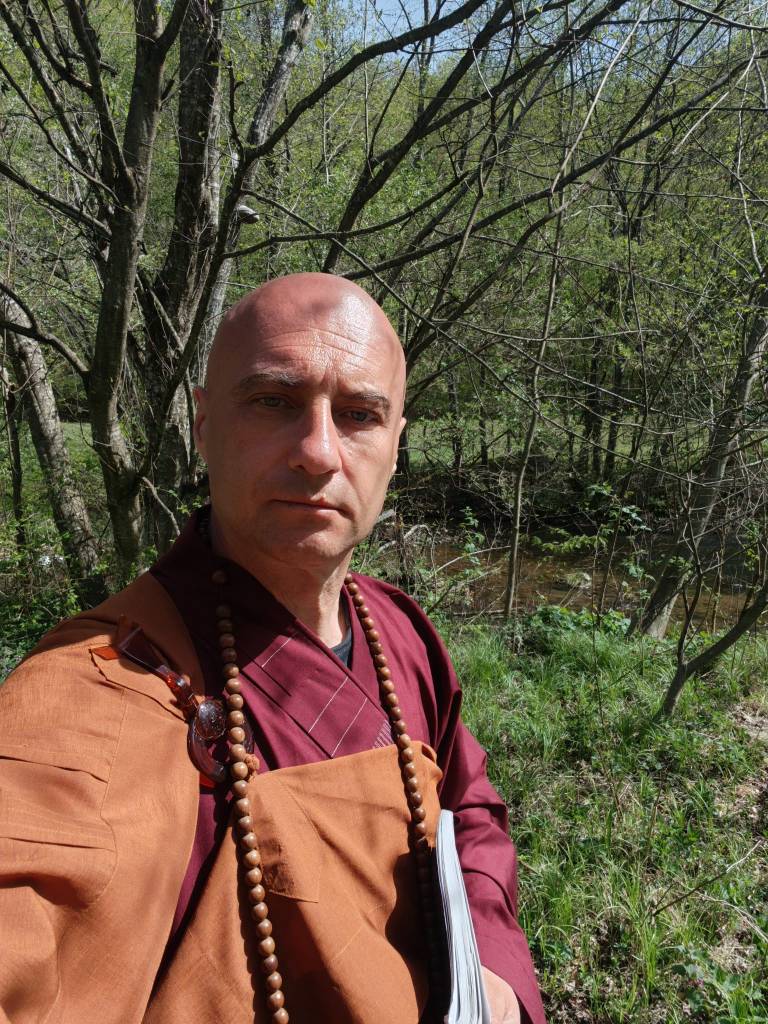
From the beginning, the Tranișu Stupa was more than a construction project; it was a learning process in collective merit and responsibility. Volunteers from across Romania (and not only; I do not know everyone, but please know you are all in my mind and in my heart as I type these words) contributed their time and skills. Local craftsmen, architects and Dharma students worked side by side, guided by senior FPMT practitioners and visiting teachers. When the upper section was finally placed on the completed base, the atmosphere was one of calm joy and shared accomplishment. The colleagues sent live updates and photos, and I cried tears of joy.

Today, the Tranișu Stupa stands as a living spiritual landmark. It welcomes visitors from all traditions and backgrounds who come to circumambulate, meditate or simply rest in its peaceful surroundings. Its presence has become a reference point for anyone interested in the Dharma’s growth in Romania, showing that such a project can be realized through cooperation, sincerity and steady commitment. Our colleague and Dharma partner from the Jodo Shinshu tradition (Amidaji Branch), Rev. Josho Adrian has already completed two amazing, inspiring pilgrimages on foot! Rejoice, rejoice! May all the aspirations he carried in his mind and heart be accomplished.

Now… onwards for a second Stupa!

This achievement now serves as the model and direct inspiration for the next step: the construction of a new stupa at Amidaji in southern Romania. Building on the experience, blueprints and blessings of the Tranișu team, the Garden of Maitreya FPMT Study Group and Amidaji Temple have joined forces to continue this work of merit.

The new Stupa of All Buddhas will extend the same aspiration to create a sacred place dedicated to peace, unity and the continuity of Dharma in our country. We are happy beyond words, apprehensive of the work that has been entrusted to us with trust by the FPMT coordinators and with the blessings of Lamas,but confident that we will overcome any obstacle!

A place chosen with care and faith

The stupa will arise in the Amidaji Garden in Calopăr village, Dolj County, on a piece of land generously offered by Rev. Jōshō Adrian Cîrlea, a landscape that holds both simplicity and strength. (Don’t take my words for granted; visit his website and be in awe as you witness his achievements here – all through the hard work if his very own two hands). Twenty minutes from Craiova’s international airport, the location is open and accessible yet quiet enough to nurture contemplation. The small hill where the stupa will stand offers natural protection from floods and harsh weather. We see this place as a symbol of stability, of wisdom amidst the changing world and nature.
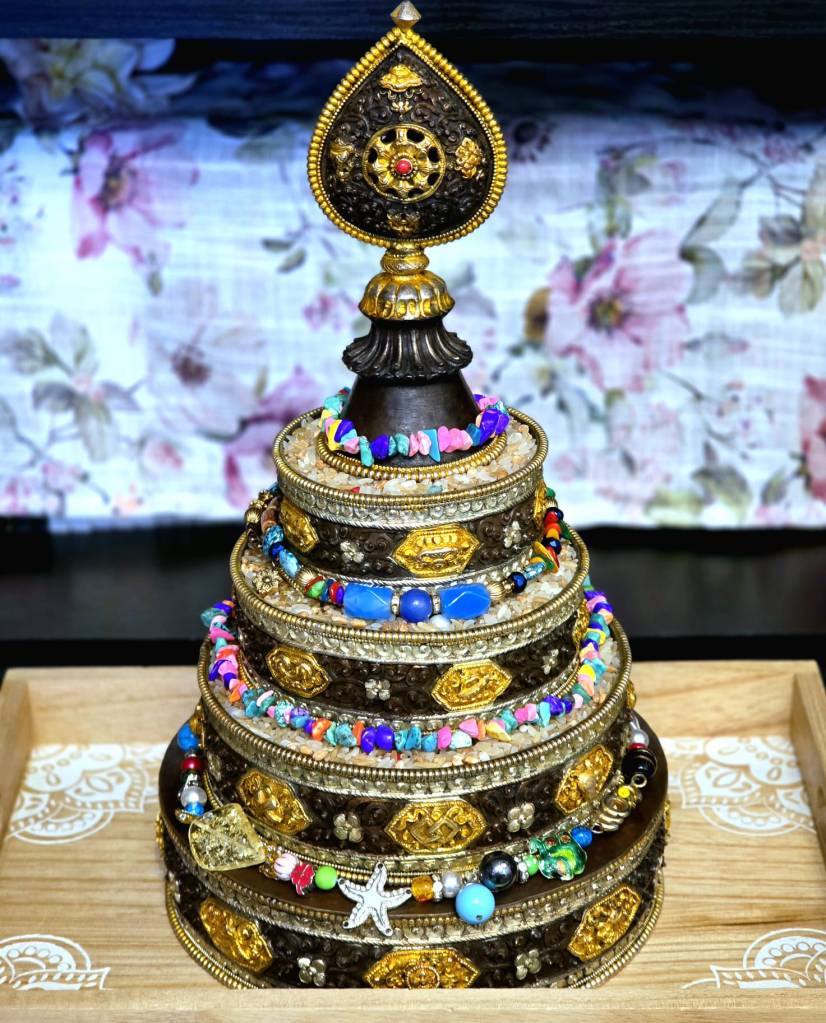
Amidaji itself, founded by Ven. Jōshō Adrian Cîrlea, is a Buddhist temple rooted in the Jōdo Shinshū tradition, yet open to practitioners of all lineages. I always felt welcome there, and for that I am grateful.

Within its library rest the voices of many masters, from Lama Tsongkhapa, Lama Zopa Rinpoche and Shantideva to Patrul Rinpoche and the Amitābha Sutras. Amidaji has become a bridge of Dharma dialogue in Romania and the stupa now seeks to deepen that spirit of harmony, a meeting place of Pure Land devotion and Mahayana wisdom.

A Collaboration of traditions

The Garden of Maitreya FPMT Study Group in Bucharest, coordinated by Dr. Veronica Anghelescu Drölma, joins hands with Amidaji in this project with the guidance of Ven. Tenzin Gendun, François Lecointre and the blessing of Geshe Jampa Gelek (Istituto Lama Tsongkhapa, Italy). Together they have envisioned a Stupa of All Buddhas (Tib. Sangs-rgyas Tham-cad-kyi mchod-rten), designed according to FPMT’s Kadampa model, with the supremely-precious architectural support from Marius Micu, the creator of the Tranișu Stupa in Cluj-Napoca.

The stupa’s design follows the authentic Kadampa blueprint yet integrates gentle elements of Romanian aesthetics: hand-sewn tablecloths, ceramic offering bowls painted in traditional motifs and the use of local natural materials. No trees will be cut; no beings will be harmed. Every detail is approached as a mindful act of offering.

A Timeline of dedication

From the blessing of the project by Geshe Jampa Gelek (acquired with reverence and gratitude on October 3rd, 2025, a blessed day in which Drölma knelt to receive the signature on the project draft) to the construction and consecration in 2026, each phase of the work will unfold with precision and devotion:

  • Winter 2025–Spring 2026: collection and preparation of mantras, texts and relics for filling; land consecration.
  • Summer 2026: construction of foundation and structure.
  • Autumn 2026: stupa fill-up and consecration ceremony jointly led by FPMT and Amidaji representatives.

Visitors and practitioners of all authentic Lineages will be welcome throughout all stages to observe, learn and participate in the creation of a holy object.

Below, you can admire one of the beautiful stupas at Lama Tsongkhapa Institute, in Italy, in front of which we expressed heartfelt aspirations for our ongoing project.

Spiritual heart of the project

This stupa is conceived as a free and open Dharma space. All teachings, rituals and activities held in its presence will be offered without charge. Donations may be accepted but never requested.

Inside, it will enshrine statues, mantras, relics and scriptures following Lama Zopa Rinpoche’s precise indications, including Amitābha’s name, Sutras and Dharani, as well as one volume of the Abhisamayālaṅkāra, symbol of transcendent wisdom.

Consecration rituals will include the FPMT prayers, praises to Amitābha and offerings to all Buddhas and Bodhisattvas, echoing the compassionate guidance of Rinpoche himself, whose example continues to illuminate this path of merit.

“One may speak a thousand verses consisting of useless words;
better is one verse of Dhamma, hearing which one is brought to peace.”

— Dhammapada 102

Transparency, Education and Outreach

The project will maintain complete transparency in donations and expenses, with any remaining funds directed to the Lama Zopa Rinpoche Stupa Fund.

A dedicated website and social media page will chronicle every stage from foundation laying to consecration, turning the process itself into a teaching. Educational brochures will explain the meaning of the stupa, its symbolism and the importance of holy objects.

The goal is not only to build a monument but to build understanding, to offer a visible, living Dharma presence in Romania that inspires reflection, generosity and inner transformation.

The Stupa of All Buddhas will rise as a prayer in form, a visible mandala radiating peace for all beings who see, touch or remember it. It will stand as a symbol of unity between Buddhist lineages, a gesture of gratitude to teachers and an offering to the future of Dharma in this part of the world.

…and now… we begin this project by visiting our colleagues at White Mahakala Cluj-Napoca, while our team-mate, Ven. Jōshō Adrian Cîrlea performs his third pilgrimage to Tranișu stupa, on foot, to pay homage on behalf of us all.

Exciting news to follow!

With love,

The Garden of Maitreya and Amidaji Teams